
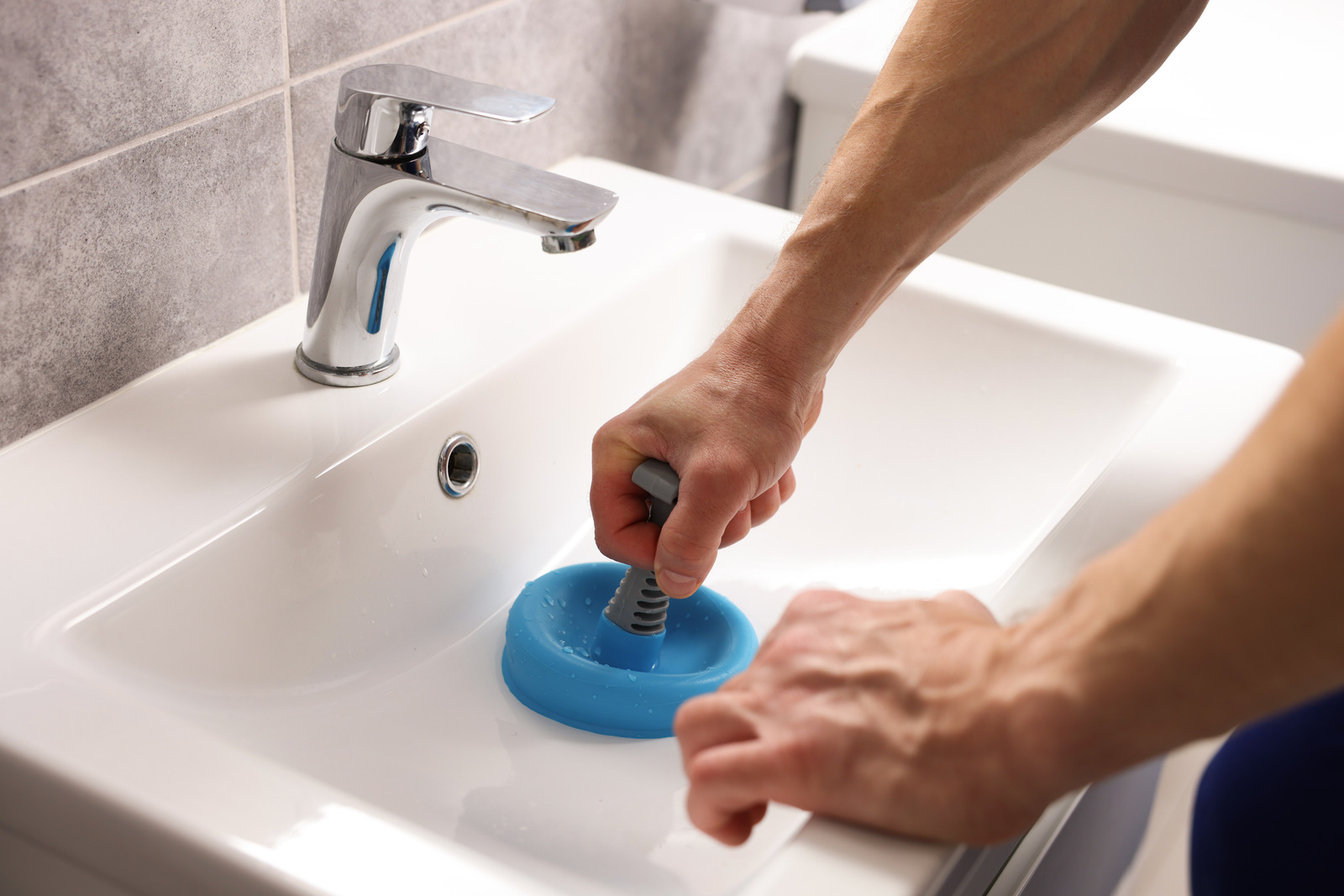
A stubborn Sink Blockage never shows up at a good time. It starts slow. Water pooling. That gurgling sound. Then suddenly the sink won’t drain at all. In homes and commercial spaces alike, the first reaction is usually the same: grab a plunger, pour in a chemical cleaner, hope for the best.
But does that really fix the issue? Or just delay it? Years of plumbing industry data show that minor clogs can sometimes be cleared with basic tools, yet recurring drain problems often point to deeper buildup inside the pipes. This article breaks down the real difference between DIY fixes and professional Sink Unclogging services cost, effectiveness, safety, and long-term results included. No exaggeration. Just facts and practical insight.
Why Sink Blockages Happen in the First Place
Most clogs don’t happen overnight. In kitchen sinks, grease is the usual suspect. It goes down as liquid, then cools and hardens inside the pipes. Food scraps cling to it. Over time, the pipe narrows. Bathroom sinks are different. Hair. Soap scum. Toothpaste residue. All of it builds up gradually. According to plumbing service reports, grease and food debris account for nearly 50% of kitchen drain clogs, while hair and soap buildup cause over 70% of bathroom sink issues. The point? A Sink Blockage is usually the result of accumulation, not one single mistake. And that matters when choosing how to fix it.
DIY Methods: What Most People Try First
Let’s be honest. Almost everyone tries DIY first. Common methods include:
- Plungers
- Baking soda and vinegar mixtures
- Store-bought chemical drain cleaners
- Basic drain snakes
Sometimes they work. Especially for minor surface clogs. Plungers create pressure that can dislodge soft obstructions. Baking soda and vinegar may loosen light residue. Small manual snakes can pull out visible hair near the drain opening.
But here’s where it gets tricky. These methods usually target the symptom, not the full buildup inside the pipe. Chemical cleaners, in particular, can be harsh. They generate heat to dissolve clogs, which may weaken older PVC pipes over time. In fact, plumbing associations often caution against repeated chemical use because of pipe corrosion risks. So, while DIY Sink Unclogging may offer short-term relief, it doesn’t always prevent the clog from returning.
Professional Sink Unclogging: What’s Different?
Professional Sink Unclogging goes beyond surface clearing. Licensed plumbers use specialized tools such as:
- Motorized drain augers
- Hydro jetting equipment
- Video pipe inspection cameras
Instead of poking a hole through the clog, these tools remove buildup along the pipe walls. Especially important for grease-heavy kitchen drains. Video inspections also help identify underlying problems. Pipe misalignment. Tree root intrusion. Cracked lines. Issues that no plunger can solve. According to industry surveys, professional drain cleaning reduces repeat clog incidents by up to 60% compared to repeated DIY attempts over a one-year period. That’s significant.
Cost Comparison: Upfront vs. Long-Term
DIY methods are cheaper upfront. A bottle of drain cleaner costs far less than a service call. But repeated attempts add up. Multiple chemical treatments. Replacement tools. Potential pipe damage repairs. Professional Sink Unclogging costs more initially.
However, fewer recurring clogs often mean fewer emergency calls and less water damage risk. And water damage? That’s expensive. Even a small kitchen leak can cost hundreds sometimes thousands if cabinets or flooring are affected. So the real question isn’t just price. It’s value over time.
Safety and Environmental Impact
Chemical drain cleaners contain strong acids or alkalis. They can cause skin burns, respiratory irritation, and environmental harm if overused. Professional plumbers typically use mechanical or water-based methods. Hydro jetting, for example, relies on high-pressure water rather than chemicals. That’s safer for pipes. And better for wastewater systems. Let’s face it pouring chemicals down the drain repeatedly isn’t ideal for anyone.
When DIY Is Reasonable
DIY methods can be fine for:
- Very slow drains with minor buildup
- Visible hair clogs near the surface
- One-time blockages without recurring history
If the water begins draining normally after one attempt and stays that way, the issue was likely minor. Still, if a Sink Blockage returns within weeks, that’s usually a sign of deeper residue inside the pipes.
When Professional Help Makes Sense
Professional Sink Unclogging is often the better choice when:
- Clogs keep coming back
- Multiple drains are slow at once
- There’s foul odor from the pipes
- Water backs up into other fixtures
Recurring issues typically mean buildup extends further down the plumbing line. And surface-level fixes won’t reach that far. In commercial settings restaurants, offices, salons professional service is especially important. Drain reliability directly impacts operations. No one wants downtime over a clogged sink.
A Realistic Scenario
Consider a household kitchen sink that clogs every two months. DIY methods clear it temporarily. But the problem keeps returning. After scheduling professional Sink Unclogging, a camera inspection reveals heavy grease buildup along 15 feet of pipe. Once fully cleared using mechanical tools and water pressure, the drain remains clear for over a year. Not dramatic. Just thorough. Sometimes the deeper clean makes all the difference.
So, What Works Better?
DIY solutions work for small, simple problems. No question. But for recurring or stubborn clogs, professional Sink Unclogging provides a more complete and longer-lasting solution. It addresses the buildup, not just the blockage opening. Truth be told, prevention and proper cleaning save more stress than repeated quick fixes. And while a Sink Blockage may seem minor at first, ignoring deeper buildup can lead to bigger plumbing repairs later on. In the end, it’s about knowing when the problem is small and when it’s not.
FAQs
1. How can someone tell if a Sink Blockage is serious?
If clogs return frequently, multiple drains are affected, or there are persistent odors, the issue may extend deeper into the plumbing system and require professional inspection.
2. Are chemical drain cleaners safe for regular use?
Occasional use may not cause immediate damage, but repeated use can weaken pipes over time and pose safety risks. Professional methods are generally safer for long-term pipe health.
3. How often should professional Sink Unclogging be scheduled?
For residential properties, service is usually needed only when problems arise. Commercial properties with heavy usage may benefit from preventive drain cleaning once or twice a year.