
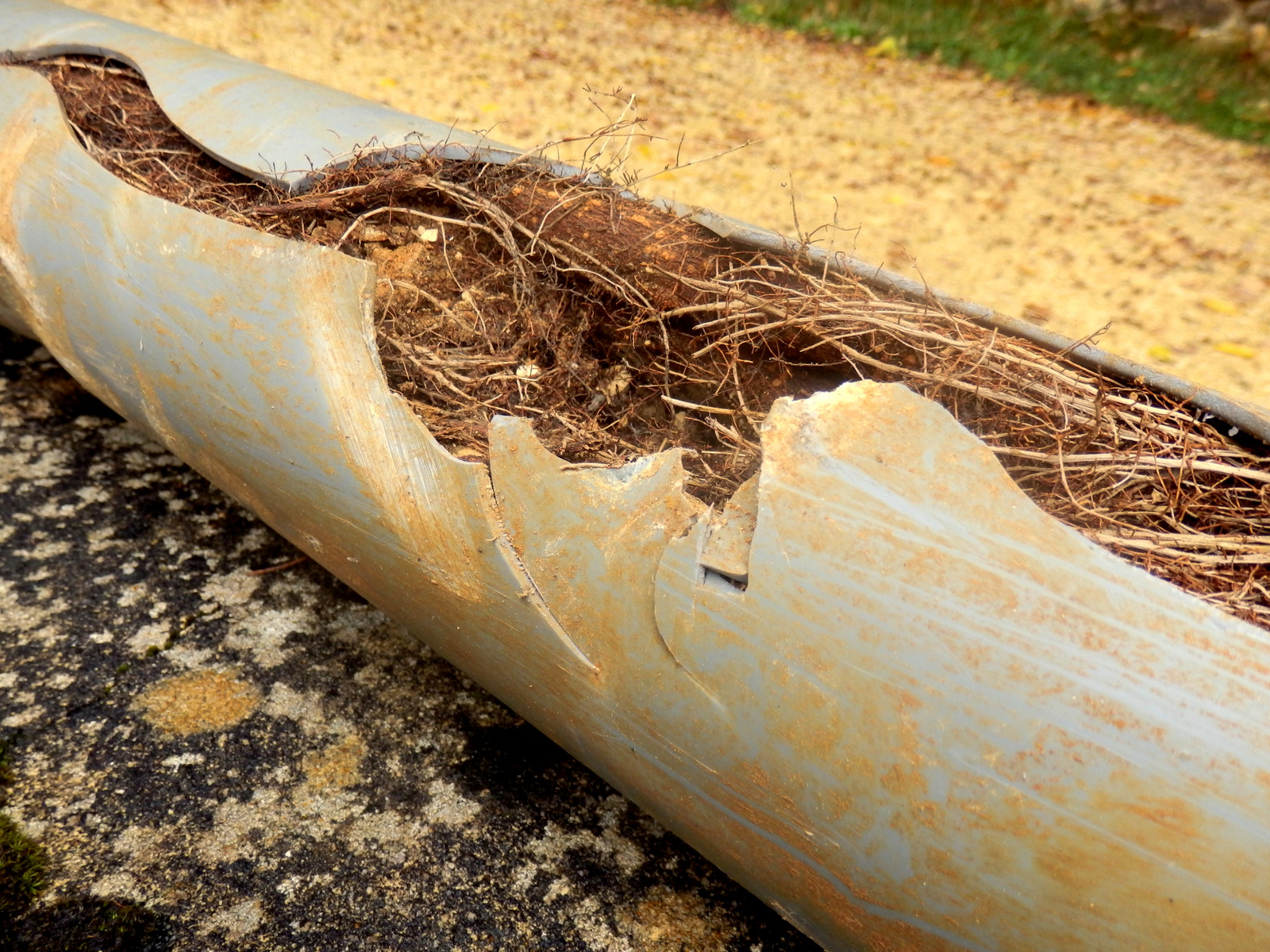
Root Cutting often comes up when drains keep backing up and nothing seems to hold for long. Tree roots inside sewer lines are not rare. In fact, plumbing service data shows they’re one of the leading causes of recurring blockages in older neighborhoods. Once Roots in Pipe systems develop, the issue tends to repeat itself unless it’s handled properly. At that point, property owners usually face two choices: pour a chemical treatment into the line or call for mechanical root removal. Both promise results. But safety both for the pipe and the surrounding environment deserves a closer look. Because quick solutions don’t always mean safe ones.
Why Roots End Up in Sewer Pipes
Roots aren’t attacking pipes on purpose. They’re looking for moisture. Sewer lines carry warm wastewater. Even a small crack or loose joint can release vapor and nutrients into the surrounding soil. Roots sense that. They grow toward it. Once inside, they expand. Slowly at first. Then aggressively. Over time, Roots in Pipe systems trap debris wipes, paper, grease and form dense blockages. Water flow slows. Pressure builds. And the line becomes stressed. It’s not dramatic at first. Just small warning signs.
How Chemical Treatments Work
Chemical root treatments usually contain compounds like copper sulfate. The idea is simple: kill the roots inside the pipe so they shrink and stop growing. On paper, it sounds convenient. No equipment. No digging. Just pour and wait. But here’s the reality. Chemicals typically affect only the roots inside the pipe. The larger root system outside the pipe stays alive. That means regrowth is possible and common. Some municipalities have raised concerns about copper buildup in soil and wastewater systems when treatments are overused. In septic systems, heavy chemical exposure can also disrupt beneficial bacteria. So while chemicals may reduce growth temporarily, they don’t physically remove the mass inside the pipe. And that matters.
What Professional Root Cutting Actually Does
Professional Root Cutting takes a direct approach. Instead of killing roots slowly, it removes them mechanically. Technicians use specialized cutting heads attached to flexible cables. These rotating blades slice through thick root clusters inside the pipe. The obstruction is cleared immediately. In many cases, follow-up flushing helps remove leftover fragments. Unlike chemicals, mechanical removal doesn’t depend on root decay. It restores pipe diameter right away. Water flows normally again. And for heavy Roots in Pipe, that difference is significant.
Pipe Safety: Which Method Is Gentler?
This is where things get interesting. Chemical treatments don’t involve spinning blades, so they might seem safer at first glance. However, repeated chemical exposure can gradually affect certain pipe materials. Older metal lines may corrode faster when exposed to harsh substances over time. Professional Root Cutting, when done correctly, is designed to protect the pipe’s structure. Equipment is matched to pipe size. Inspections are often done beforehand to check for cracks or weak sections. If a pipe is already severely damaged, cutting won’t fix it but neither will chemicals. Let’s face it. A compromised pipe needs repair, not treatment. In structurally sound lines, mechanical removal is typically the safer long-term option.
Environmental Considerations
Chemical root killers don’t just disappear. Wastewater carries residues through sewer systems or septic tanks. Excessive copper sulfate, for example, can accumulate in soil and affect nearby vegetation. Some regions restrict its use because of environmental concerns. Mechanical Root Cutting introduces no additional substances into the system. It removes the obstruction and that’s it. For environmentally sensitive areas, that’s a meaningful distinction.
Effectiveness Over Time
Short-term improvement is common with both methods. The real question is durability. Chemical treatments may need to be applied multiple times a year if regrowth continues. That’s typical when the outer root system remains healthy. Mechanical Root Cutting often provides longer intervals between blockages because the physical mass has been removed, not just killed. Plumbing service data suggests properties relying solely on chemical products often report recurring clogs within months. Properties using mechanical clearing combined with periodic inspection generally experience fewer repeat emergencies. Not perfect. But more stable.
A Practical Example
Imagine a home with large trees near the sewer line. Chemical treatments are used twice a year. Drain flow improves briefly. Then slow drainage returns. A later camera inspection shows thick clusters deeper in the line that chemicals never fully reached. After professional Root Cutting, the heavy mass is removed completely. Flow stabilizes. Future maintenance becomes preventive rather than reactive. The chemicals weren’t useless. They just weren’t enough.
When Chemical Treatments Might Make Sense
There are situations where chemicals can help:
- Very early-stage root intrusion
- Preventive maintenance in low-risk areas
- Temporary control until mechanical service is scheduled
However, they should not replace inspection when symptoms persist. Thick Roots in Pipe systems usually require more than surface-level treatment.
When Professional Root Cutting Is the Safer Bet
Mechanical Root Cutting is typically the safer and more effective choice when:
- Backups are recurring
- Inspections reveal dense root masses
- The pipe structure is still intact
- Long-term reliability is the goal
It addresses the physical problem without introducing additional chemical stress to the plumbing system. And in most cases, fewer repeat treatments mean less overall disruption.
Both chemical treatments and professional Root Cutting aim to manage root intrusion inside sewer lines. The difference lies in how they do it and what happens afterward. Chemical solutions may slow growth, but they rarely remove thick root clusters completely. Repeated use can carry environmental considerations and potential pipe wear. Professional Root Cutting physically clears invasive growth, restores flow immediately, and avoids adding harsh substances to the wastewater system. When safety is the priority both for the pipe and the environment mechanical removal often provides the more controlled and reliable solution. Because in the end, protecting the sewer line matters just as much as clearing it.
FAQs
1. Is Root Cutting safe for all sewer pipes?
When performed by trained technicians after inspection, Root Cutting is generally safe for structurally sound pipes, including clay and PVC systems.
2. Do chemical treatments permanently stop Roots in Pipe growth?
No. Chemical treatments typically kill internal root sections but do not eliminate the external root system, which can regrow into the pipe.
3. How often should sewer lines be checked for root intrusion?
Homes with mature trees nearby should consider inspections every one to two years to catch root growth before severe blockages develop.