
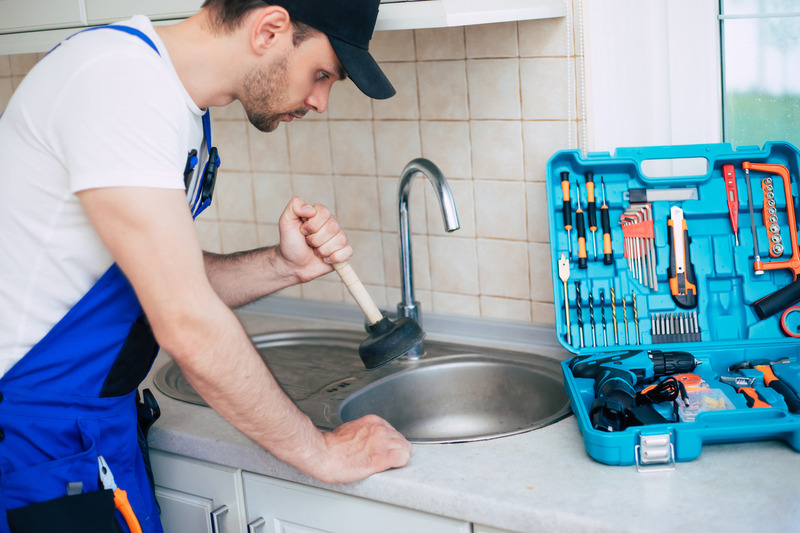
Dealing with Sink Blockage, Sink Unclogging issues is frustrating. Water just sits there. Doesn’t move. Smells start creeping in. And suddenly, a simple task turns into a headache. Truth be told, most clogs don’t happen overnight. They build up quietly—grease, soap, hair, food particles—until the pipe can’t handle it anymore. This guide breaks things down simply. What causes it. What actually works. And when it’s time to stop trying and call in real help.
What Actually Causes a Sink to Get Blocked?
It’s rarely just one thing. Most blockages are gradual. A little grease today. Some food scraps tomorrow. Over time, it sticks to pipe walls. Hardens. Narrow the flow.
Common culprits include:
- Grease and oil buildup (very common in kitchen sink blockage)
- Hair and soap residue (typical in bathroom drains)
- Food waste and coffee grounds
- Foreign objects accidentally dropped
These all lead to a slow draining sink at first. Then a full blockage later. And honestly, once buildup reaches a certain point, basic rinsing won’t fix it.
Early Warning Signs You Shouldn’t Ignore
Let’s face it. The sink usually gives warnings before it completely stops. Here’s what shows up first:
1. Water Drains Slower Than Usual
Not fully blocked yet. But definitely restricted. A classic slow draining sink symptom.
2. Gurgling Noises
Air trapped in pipes. Happens when water struggles to pass through buildup.
3. Bad Smells
Food and waste trapped inside pipes begin to rot. That odor doesn’t go away on its own.
4. Water Backing Up
This is where things get serious. Especially in kitchen sink blockage cases. Ignore these signs, and the problem only grows.
Quick DIY Methods That Actually Work
Some clogs are manageable. Not all—but some.
1. Boiling Water Flush
Simple. Effective for grease buildup. Pour slowly, give it time.
2. Baking Soda + Vinegar
A classic mix. It creates a reaction that helps loosen debris inside pipes.
3. Plunger
Works best for minor clogs. Creates pressure to dislodge blockages.
4. Manual Removal
Sometimes it’s just stuck near the drain opening. Gloves help. It’s messy, yes. These methods can help with bathroom sink unclogging or early-stage buildup. But they don’t always solve deeper issues.
When DIY Stops Working
Here’s the thing. Not all clogs are surface-level. If the blockage sits deeper in the pipe, DIY methods won’t reach it. That’s when repeated attempts just waste time. Signs DIY isn’t enough:
- The clog keeps coming back
- Multiple drains are affected
- Water backs up quickly
- Strong odors remain
At this point, proper drain blockage removal requires better tools.
What Professionals Do Differently
Professional plumbers don’t guess. They inspect. Tools used include:
- Drain cameras to locate the exact blockage
- High-pressure jetting for sink pipe cleaning
- Mechanical tools for stubborn debris
This level of professional drain cleaning clears the entire pipe, not just the visible clog. And honestly, that’s the difference. Temporary fix vs long-term solution.
A Quick Look at Real Numbers
According to plumbing service data:
- Around 75% of household drain issues start with minor buildup
- Nearly 60% of homeowners attempt DIY fixes first
- Over 40% of recurring clogs require professional intervention
So yes, DIY helps sometimes. But not always.
How to Prevent Sink Blockages in the First Place
Prevention isn’t complicated. Just consistent.
Simple Habits That Work:
- Avoid pouring grease down the drain
- Use drain strainers to catch debris
- Run hot water after each use
- Clean pipes regularly
These small steps reduce the need for frequent clogged sink repair. Still, no system is perfect. Eventually, maintenance becomes necessary.
When to Call a Professional Plumber
Let’s be honest. Waiting too long makes things worse. Call for help when:
- The sink is completely blocked
- Water backs up into other fixtures
- DIY methods fail repeatedly
- There’s visible leakage or pipe damage
A proper professional drain cleaning service doesn’t just fix the issue it prevents future ones too.
Why Ignoring a Blocked Sink is Risky
It’s not just an inconvenience. Left untreated, blockages can lead to:
- Pipe corrosion
- Water damage under sinks
- Mold growth from leaks
- Higher repair costs later
So yes, a simple clog can turn into a bigger problem if ignored. Sink Blockage and Sink Unclogging problems happen in almost every home at some point. It’s normal. But how quickly it’s handled makes all the difference. Early action. Basic maintenance. Knowing when to call in help. That’s really what keeps things running smoothly.
FAQs
What causes a sink to get blocked?
Sink blockages usually occur due to grease, food waste, soap buildup, or hair accumulation. Over time, these materials stick to pipe walls, restricting water flow. This gradual buildup eventually leads to a complete blockage if not addressed early.
How do I unclog a sink quickly?
Quick fixes include pouring boiling water, using baking soda and vinegar, or a plunger. These methods work best for minor clogs. However, deeper blockages may require specialized tools or professional cleaning for complete removal.
Can I fix a blocked sink without a plumber?
Yes, minor clogs can often be fixed using DIY methods like plunging or natural cleaning solutions. However, if the blockage persists or returns frequently, professional help is usually required to fully clear the pipes.
Why is my sink draining slowly?
A slow draining sink is typically caused by partial blockages inside the pipe. Grease, soap, or debris buildup reduces water flow over time. If ignored, it can develop into a complete blockage requiring more intensive cleaning.
When should I call a plumber for a clogged sink?
A plumber should be called when DIY methods fail, water backs up, or multiple drains are affected. Persistent clogs often indicate deeper issues that require professional tools and expertise to resolve effectively.