
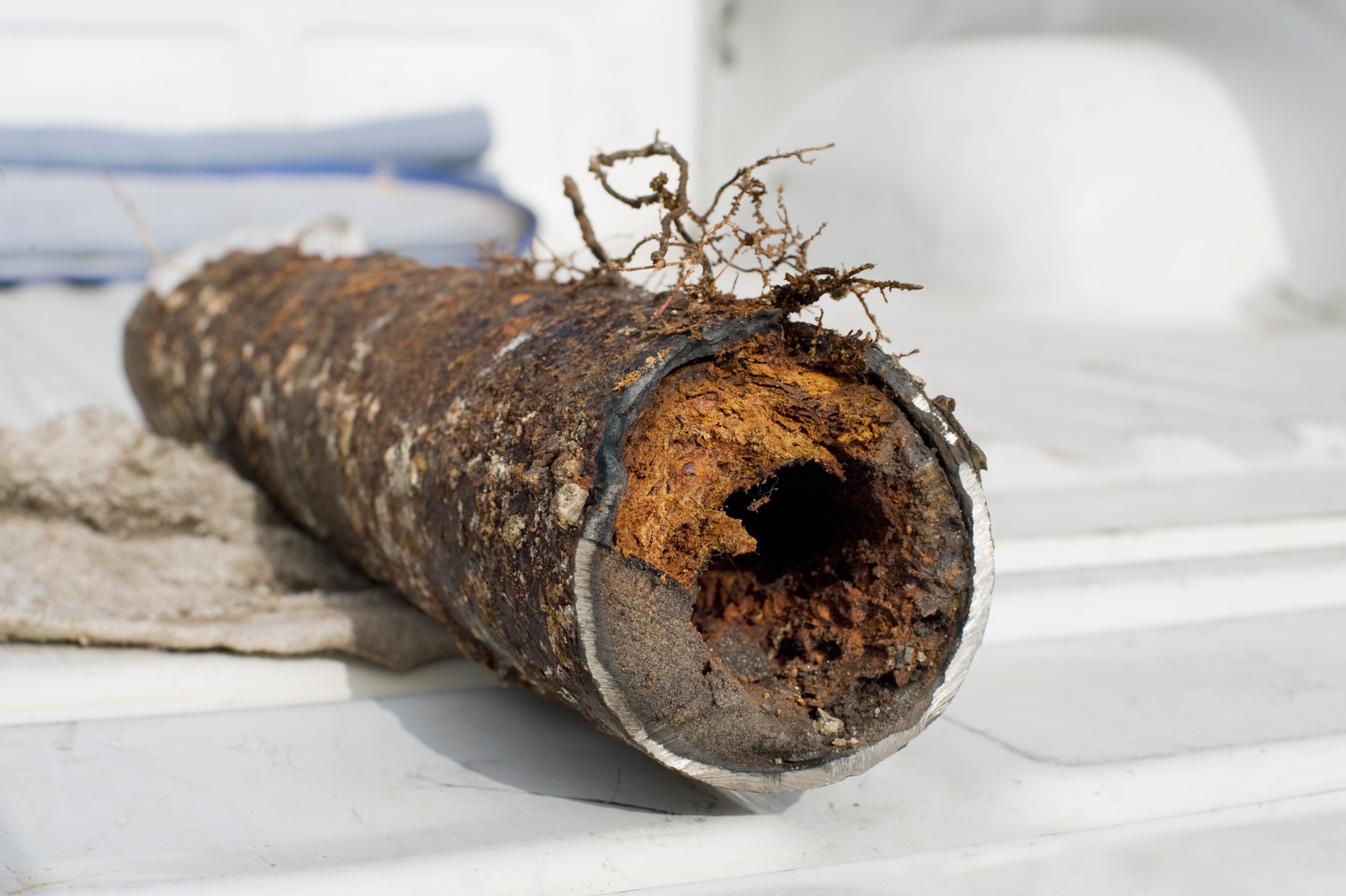
Dealing with Root Cutting, Roots in Pipe problems isn’t just inconvenient it gets worse fast. What starts as a slow drain can quietly turn into a full blockage. Water backs up. Pressure builds. And before long, pipes begin to crack from the inside. Truth be told, roots don’t need much to get in. A tiny crack. A loose joint. That’s enough. Once inside, they grow. Spread. Tangle. This is where proper pipe root cutting service becomes essential, not optional. This guide walks through what root cutting actually is, how it works, and why it’s one of the most reliable ways to deal with roots inside pipes.
Why Roots in Pipes Are a Serious Problem
Roots don’t behave like normal debris. They grow. They search for moisture. Pipes provide that. Once inside, they expand and trap waste grease, paper, debris everything.
This leads to:
- Reduced water flow
- Frequent clogs
- Internal pipe pressure
- Eventual pipe failure
Let’s face it, ignoring it only makes things worse. Over time, pipe repair after root damage becomes unavoidable if the issue isn’t handled early.
What is Root Cutting in Plumbing?
Root cutting is exactly what it sounds like. Cutting and removing roots from inside pipes using specialized equipment. But it’s not just random cutting. It’s controlled. Precise. Professionals use sewer root cutting tools designed to rotate and slice through root masses without damaging the pipe structure at least when done correctly. This process restores flow. Clears blockages. Buys time before more permanent repairs are needed.
How Root Cutting Actually Works
It’s not complicated, but it does require the right setup.
Step 1: Inspection
A camera goes into the pipe. Locates the blockage. Determines severity.
Step 2: Cutting Process
Using mechanical root cutting, a rotating blade is inserted. It cuts through roots and clears the pathway.
Step 3: Flushing
Debris is flushed out. Sometimes combined with water pressure cleaning.
Step 4: Follow-Up Check
Another inspection ensures the pipe is clear. Short process. But very effective.
Hydro Jetting vs Mechanical Root Cutting
Here’s where things get interesting. Both methods are used. But they serve slightly different purposes.
Mechanical Root Cutting
- Best for thick, dense root masses
- Uses blades to physically cut roots
- Immediate blockage removal
Hydro Jetting Root Removal
- Uses high-pressure water
- Cleans pipe walls
- Removes smaller roots and buildup
Often, both are combined. First cutting, then cleaning. This combination improves long-term results and reduces chances of regrowth.
How Effective is Root Cutting for Pipe Blockage?
Pretty effective. But not permanent. Data from plumbing service reports shows:
- Around 85% of root blockages are cleared successfully with root cutting
- Nearly 50% of cases experience regrowth within 1–2 years if pipes aren’t repaired
So yes, it works. But it’s part of a bigger solution. That’s why follow-up steps matter. Especially pipe repair after root damage.
Do Roots Grow Back After Cutting?
Long answer, they grow back if the entry point still exists. Roots don’t just disappear. They return to the same moisture source if cracks remain. That’s why sealing or replacing damaged sections becomes important. Without that, root cutting turns into a temporary fix.
When Pipe Repair Becomes Necessary
Sometimes, cutting roots isn’t enough. If the pipe is already damaged, cracked, or collapsed, repairs are needed.
Options include:
Traditional Repair
Digging. Replacing sections. Effective but disruptive.
Trenchless Pipe Repair
Less invasive. Uses internal lining or pipe bursting methods. No major digging required. This modern approach is often preferred. Faster. Cleaner. More efficient. And honestly, it pairs well with root removal services.
Signs You Need Root Cutting Services
Not always obvious. But there are signs.
Watch for:
- Recurring drain clogs
- Slow draining across multiple fixtures
- Gurgling sounds in pipes
- Sewage smell
- Sudden backups
These often point to Root Cutting, Roots in Pipe problems developing below the surface. Waiting too long increases the risk of structural damage.
Cost of Root Cutting Services
Costs vary. Depends on severity, pipe condition, and method used. Typical range:
- Basic root cutting: moderate cost
- Combined cutting + hydro jetting: higher
- Add inspection and repair: increases further
Still, it’s far cheaper than replacing an entire sewer line. Truth be told, early action saves money.
Preventing Future Root Intrusion
After all, prevention beats repair. Simple steps help:
- Regular inspections using cameras
- Avoid planting trees near sewer lines
- Fix small pipe cracks early
- Schedule periodic cleaning
These reduce dependency on repeated pipe root cutting service calls.
Why Professional Help Matters
DIY won’t work here. Roots inside pipes require specialized sewer root cutting tools and experience. Incorrect handling can damage pipes further.
Professional services ensure:
- Accurate diagnosis
- Safe cutting methods
- Long-term solutions
And that’s what actually solves the problem. Root Cutting, Roots in Pipe issues don’t go away on their own. They grow. Spread. Cause damage quietly. Early detection helps. Proper removal fixes the immediate problem. But long-term solutions, repairs, and prevention make the real difference. Ignoring it? That’s when things get expensive.
FAQs
What is root cutting in plumbing?
Root cutting is a process where specialized tools are used to remove tree roots from inside pipes. These tools cut through root masses, restoring water flow and clearing blockages without immediately replacing the pipe system.
How effective is root cutting for pipe blockage?
Root cutting is highly effective for removing existing blockages, especially when combined with cleaning methods like hydro jetting. However, if pipe damage isn’t repaired, roots may grow back over time.
Will roots grow back after cutting?
Yes, roots can grow back if the pipe still has cracks or entry points. Cutting removes the immediate blockage, but long-term solutions require sealing or repairing the pipe to prevent regrowth.
What is the best method to remove roots from pipes?
The best approach often combines mechanical root cutting with hydro jetting root removal. This clears both large root masses and smaller debris, improving overall pipe condition and reducing recurrence.
How much does root cutting cost?
Costs vary depending on severity and method used. Basic root cutting is generally affordable, but additional services like inspection, hydro jetting, or repairs can increase the total cost. Early intervention helps keep expenses lower.