
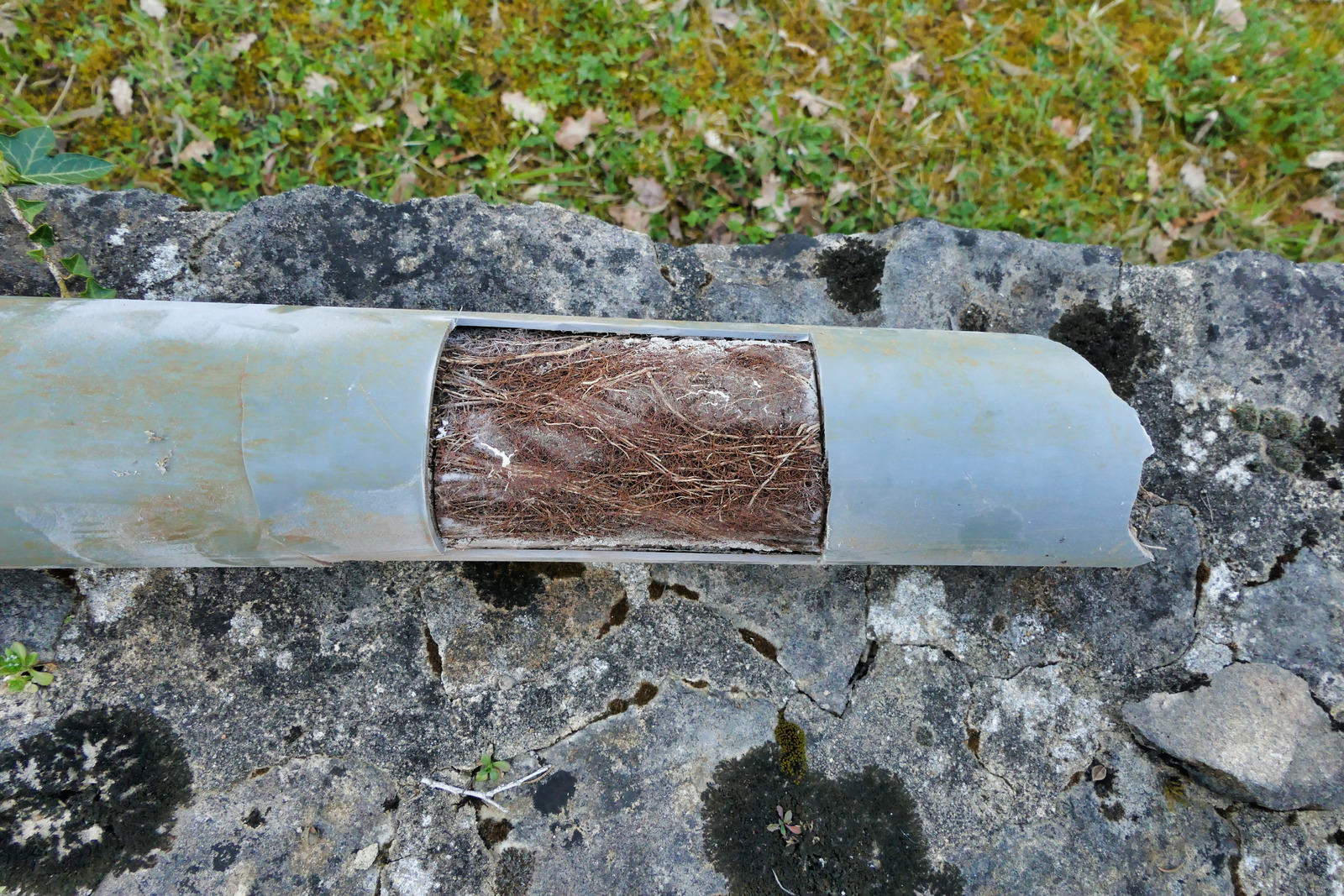
The Tree in the Front Yard Looks Fine. The Sewer Line Under It Might Not Be
Trees are deceptively quiet troublemakers.
- Above ground, everything looks normal. The garden is fine. The lawn is fine. The tree has been there for twenty years and nobody’s given it a second thought. Meanwhile, thirty centimetres underground, its root system has been slowly working its way into the nearest available water source which, in a lot of older residential properties, is the sewer pipe running out to the street.
- By the time the drains start backing up, the roots have usually been growing inside the pipe for years.
- Drain Root Clearing is the process of removing that intrusion, cutting, flushing, and restoring the pipe to function before the problem goes from inconvenient to genuinely expensive. This post covers how roots get in, what the damage actually looks like, what the clearing process involves, and when a simple clearance job becomes something more serious.
- Worth reading if there’s a large tree anywhere near a drain line on the property. Which, for most homes built before 1990, there almost certainly is.
How Roots Actually Get Into Pipes
Most people picture roots smashing through solid pipes. That’s not usually how it starts.
- What actually happens is subtler. Every buried pipe clay, concrete, cast iron, even older PVC has joints. Connection points between sections. Over time, those joints develop hairline gaps. Ground movement, temperature cycling, slight settlement. Nothing dramatic. Nothing that would show up as a leak under normal conditions.
- But sewer root intrusion begins at exactly those gaps. Plant roots don’t push through solid material looking for water; they find the path of least resistance. A gap the width of a fingernail is more than enough entry point for fine feeder roots, which are drawn toward the warmth and moisture that drain pipes constantly provide.
- Once inside, those fine roots hit nutrients the organic material passing through the line and they grow. Aggressively. They branch. They form masses. What started as a thread becomes a dense mat that traps toilet paper, grease, and debris with every flush. And that mat keeps growing until the pipe is partially or fully blocked.
- Clay pipes are the most vulnerable. Widely used in residential construction through the mid-twentieth century, clay pipe joints weren’t sealed; they were simply butted together and relied on surrounding soil for stability. Pipe root damage in clay systems can be extensive, and it’s one of the most common issues encountered during underground drain cleaning in older suburbs.
- PVC is more resistant, but not immune. If a joint wasn’t properly glued during installation, or if ground movement has stressed a connection over the years, roots find their way in there too.
The Warning Signs: Before the Full Blockage
- The frustrating thing about sewer line blockage from roots is that it develops slowly. There are usually months of warning signs before anything backs up completely but they’re easy to dismiss.
- Slow drainage in multiple fixtures at once. When a single basin drains slowly, it’s usually a local clog. When the toilet, the shower, and the laundry all drain slowly at the same time, that points to the main line. That’s a root problem until proven otherwise.
- Gurgling sounds from drains after flushing. Air being displaced by a partial blockage produces that sound. It doesn’t mean anything’s wrong yet. But it means something is narrowing.
- Sewage smells in the yard or around the property boundary. If roots have opened a joint enough to let water and vapour escape into the surrounding soil, the smell makes it outside. That’s a more urgent signal.
- Recurring drain clogs that clear with snaking but return within weeks or months. This one is key. A snake pokes a hole through a root mass. The roots keep growing. The pipe blocks again. Same call, same result, indefinitely until the roots are actually dealt with.
- Truth be told, the majority of emergency sewer clearing calls involving root damage were preceded by weeks of intermittent symptoms the homeowner noticed but didn’t act on. That’s not a criticism, it’s just how these things go. But earlier intervention is almost always cheaper.
What Drain Root Clearing Actually Involves
This isn’t a one-tool job.
- Proper Drain Root Clearing typically starts with a drain camera inspection. A flexible camera is fed through the pipe usually via the nearest cleanout access and the plumber gets a live look at what’s actually in there. How dense are the roots? Where exactly are they? Is there pipe damage behind them? The camera answers all of that before any clearing begins, which changes the approach significantly.
- For lighter root intrusion fine feeder roots forming early-stage masses high-pressure hydro jetting is often the first treatment. Water at 3,000 to 4,000 PSI, with a rotating cutting head, shreds fine root material and flushes it downstream. Effective. Thorough. Underground drain cleaning with jetting equipment leaves the pipe walls significantly cleaner than mechanical cutting alone.
- For established root masses denser, more structured intrusions a root cutting plumbing service using a mechanical auger with a root-cutting head is typically needed first. This physically cuts through the root material before jetting clears the debris. Some jobs need both methods in sequence.
- After clearing, the camera goes back in. Not optional. Confirming the line is actually clear, and checking the pipe condition underneath the roots, determines what comes next whether that’s a simple monitoring schedule, sewer maintenance services on a regular basis, or a repair conversation if structural damage is evident.
When Clearing Isn’t Enough: The Repair Question
Here’s the part most homeowners don’t want to hear.
- Clearing removes the roots. It doesn’t fix the joint they came through. Which means, in a pipe with deteriorating joints or structural damage, the roots are coming back. Guaranteed. Often within the same growing season.
- Root-infested drain repair actually addressing the underlying pipe condition takes several forms depending on the severity of the damage.
- Pipe relining is the most common modern solution for blocked sewer pipe repair where the pipe structure is compromised but the line is still largely intact. A resin-impregnated liner is inserted into the existing pipe and expanded to cure against the pipe wall, creating a new smooth interior surface with no joints. No excavation. Typically one-day turnaround. The new liner eliminates the entry points roots were exploiting.
- For pipes with significant collapse or severe joint displacement, excavation and section replacement is sometimes unavoidable. More disruptive and more expensive, but occasionally the only viable path.
- According to infrastructure data from water authorities in the UK and Australia, root intrusion is a contributing factor in approximately 50% of all sewer blockage events reported annually. In areas with established tree canopy, typically suburbs built between 1920 and 1970 that figure is considerably higher. Plumbing root clearing and follow-up repair represents a significant proportion of residential drain repair workloads for plumbers in those areas.
Preventing It Or at Least Slowing It Down
Prevention is worth saying something about, even though it’s limited once trees are established.
- Copper sulphate applied into drain lines via cleanouts is a traditional treatment that inhibits root growth in the immediate vicinity of the pipe. It doesn’t kill existing roots already inside, but used as part of sewer maintenance services on a regular basis, it can slow reinvasion after a clearing. It’s not universally recommended some councils restrict its use due to downstream impact so checking local guidelines before using it matters.
- Root barriers, installed during landscaping or construction, physically deflect root growth away from underground infrastructure. Useful at the planning stage. Not retroactively practical on an established property.
- The most realistic preventative approach for most homeowners is scheduled drain camera inspection every two to three years in properties with mature trees near the drain line. Early-stage root intrusion feeder roots just beginning to grow inside the pipe is far cheaper and faster to deal with than an established blockage. And it doesn’t involve backed-up sewage.
Frequently Asked Questions
How do tree roots get into drain pipes?
Roots don’t push through solid pipe they enter through existing gaps and hairline cracks at pipe joints. They’re attracted to the warmth and moisture inside sewer lines. Sewer root intrusion typically begins with fine feeder roots threading through joint gaps, then branching into denser masses as they access the nutrients inside the line. Clay pipes with uncemented joints are especially vulnerable.
What are the signs of roots in sewer lines?
The main indicators are: multiple slow-draining fixtures simultaneously, gurgling sounds after flushing, sewage smells in the yard, and recurring drain clogs that return weeks after being cleared. Any combination of these especially in a property with mature trees near the drain line warrants a drain camera inspection before assuming it’s a simpler blockage.
Is drain root removal a permanent fix?
Clearing removes existing roots but doesn’t seal the entry points. Without blocked sewer pipe repair pipe relining or section replacement roots will reinvade through the same joints. The timeline varies: some lines reblock within months, others take a few years. Root-infested drain repair that addresses the pipe condition is the only genuinely long-term solution for properties with persistent root intrusion.
Do I need a camera inspection for blocked drains?
For recurring drain clogs or suspected pipe root damage, yes, a drain camera inspection is strongly recommended before and after clearing. It identifies root density, precise location, and whether the pipe itself is structurally compromised. Clearing a pipe without inspecting it means treating the symptom without understanding the cause, which typically leads to the same blockage returning in the same spot.