
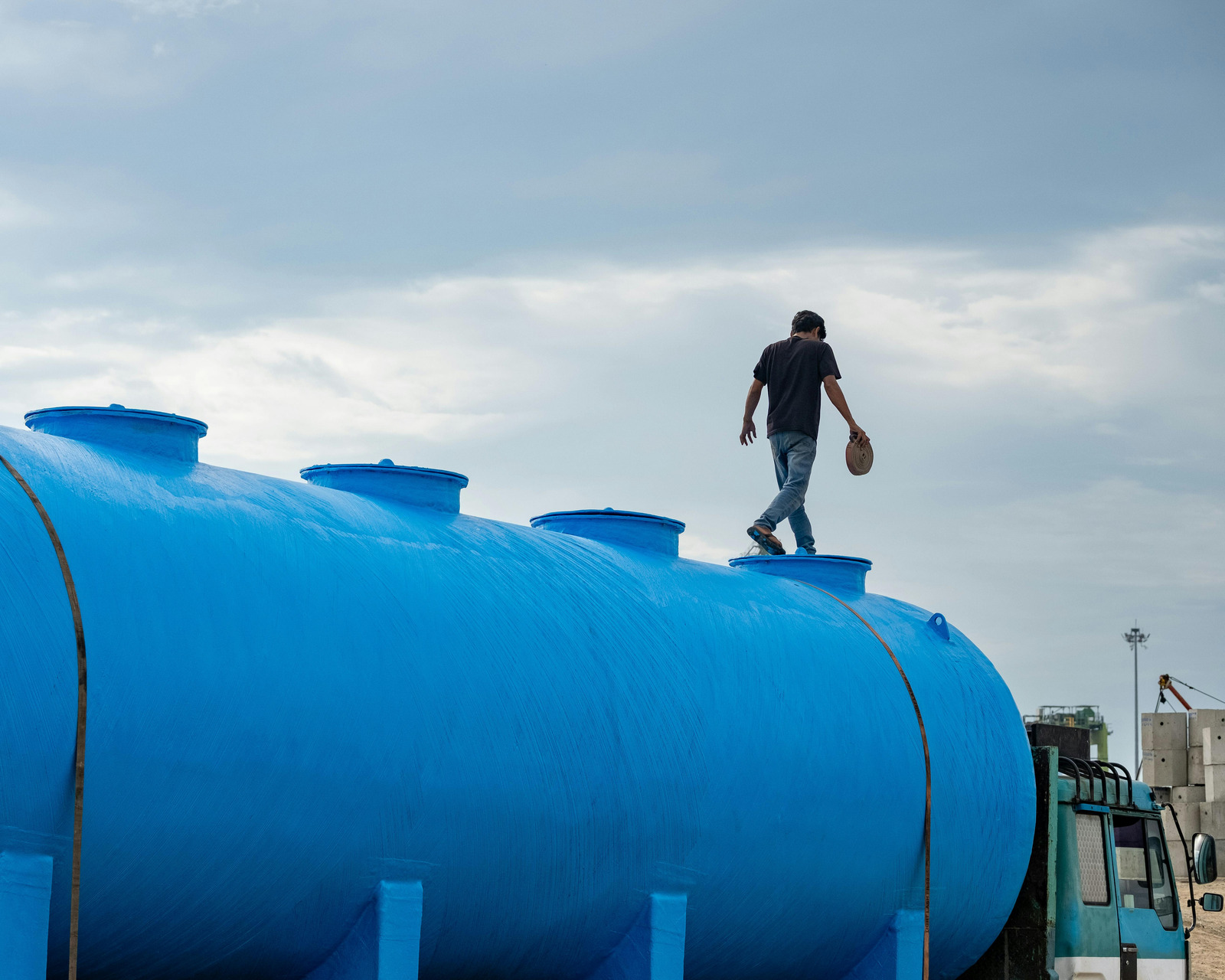
Most people don’t think about where their water comes from. It’s just there. Turn the tap, water flows. Easy. Until it isn’t.
- A broken man. A drought. A construction site with no municipal hookup. A property that’s simply too far from the grid to get reliable supply. These situations happen more often than anyone expects and when they do, a water tanker is usually the fastest, most practical solution on the table.
- Water tankers deliver bulk water delivery directly where it’s needed. No waiting for infrastructure. No digging up the street. Just a truck, a tank, and water where it needs to be sometimes within hours of the call.
Here’s when it actually makes sense to hire one. Residential, commercial, industrial it covers more ground than most people realize.
When the Municipal Supply Goes Down
This is the obvious one. And yet people are always caught off guard when it happens.
- A burst main. A contamination notice. Scheduled maintenance that runs longer than planned. Municipal water supply interruptions affect thousands of homes and businesses every year. In the U.S. alone, there are over 240,000 water main breaks annually according to the American Society of Civil Engineers and that number has been climbing.
- Emergency water delivery via tanker fills the gap. Fast. A water tanker can be dispatched same-day in most urban and suburban areas, delivering enough water to keep a household or business running while the main line gets sorted.
- Truth be told, the businesses and homeowners who come out of these situations best are the ones who already know who to call. Having a contact for tanker services before an emergency is just smart planning.
Construction Sites
- Water is everywhere on a construction site. Dust suppression. Concrete mixing. Soil compaction. Equipment cooling. Workers need it too for drinking, sanitation, site facilities.
- Most construction sites especially in early phases don’t have a live municipal connection yet. Or the connection exists but can’t handle the volume. Either way, construction water supply becomes the contractor’s problem to solve.
- Water transport services handle this constantly. A reliable tanker schedule means the site doesn’t stop because someone forgot to order water. Concrete doesn’t wait. Deadlines don’t either.
- For larger projects, water storage solutions holding tanks filled by regular tanker deliveries keep supply consistent even on high-demand days. The tanker comes, tops up the tank, and leaves. Simple system. Works well.
Residential Properties Off the Municipal Grid
Rural homes. Farms. Properties on private bore or rainwater systems that have run dry.
- This happens more than city dwellers realize. A dry summer, a bore pump failure, a rainwater tank that just didn’t get enough top-up suddenly a family is without running water. Not a small problem.
- A water tanker delivering potable water supply directly into the home’s holding tank solves this immediately. Not a workaround. An actual solution. The water goes in, life continues.
- Some rural properties use bulk water delivery on a regular schedule not just in emergencies. They’ve built their water management around it. Tankers come every few weeks, fill the tanks, done. Cheaper and more reliable than trying to fix a bore system that’s been unreliable for years.
Swimming Pools and Water Features
- Filling a pool from a garden hose takes days. Sometimes close to a week, depending on the size. It also runs the home water meter up considerably which, in areas with tiered pricing or water restrictions, can get expensive fast.
- A water tanker fills most residential pools in a few hours. Done in the morning. The bulk water delivery is often cheaper than using the home supply when all the costs are calculated out.
- Same goes for large water features, ornamental ponds, fountains on commercial properties. Anything that needs a significant volume of water quickly.
Events and Remote Locations
Festivals. Outdoor weddings. Sporting events in locations without adequate infrastructure. Military exercises. Film sets. All of these need water. Large amounts of it. In places that don’t have a tap.
Water logistics for events is a legitimate industry. Coordinating tanker services to deliver and maintain potable water supply plus water for sanitation, cooking, and dust control is something event planners deal with on every major outdoor production. After all, 5,000 people in a field need water. That water has to come from somewhere.
Firefighting Support
This one doesn’t come up in everyday conversation, but it matters.
Rural fire services, private landowners in high-risk areas, mining operations all of them sometimes need supplementary water capacity for firefighting that local infrastructure simply can’t provide. A water tanker staged on-site during fire season, or dispatched quickly when a blaze starts, can make a real difference before formal emergency services arrive. Not every situation is suburban with hydrants on every corner. In remote areas, water transport services are part of the fire response plan.
Industrial and Commercial Operations
Manufacturing. Food processing. Chemical plants. Agriculture.
- Industrial operations have enormous water demands. Sometimes the municipal supply is sufficient. Sometimes it isn’t during peak production, equipment failure, or when a facility is scaling up faster than its infrastructure can support.
- Bulk water delivery keeps operations running during those gaps. A water tanker on standby or on a scheduled delivery route is a normal part of operations for a lot of industrial facilities. Not a backup plan. An actual operational tool.
- Potable water supply for staff facilities, construction water supply for expansion projects, process water for manufacturing it all comes back to having reliable water logistics in place.
What to Actually Look for in a Water Tanker Service
Not all tanker services are equal. A few things worth checking before booking.
- Water quality certifications matter especially for potable water supply. The tanker, hoses, and storage all need to meet food-grade or drinking water standards if the water is going anywhere near human consumption. Ask for it in writing.
- Response time. For emergency water delivery, hours matter. Know the estimated dispatch time before there’s an emergency, not during one. Volume capacity. Most residential deliveries run between 1,000 and 5,000 gallons. Commercial and industrial needs can be much higher. Make sure the service can actually match the demand or coordinate multiple loads if needed.
- Water storage solutions are worth discussing too. Some providers supply temporary holding tanks alongside the delivery. That means fewer repeat visits and more consistent on-site supply.
Frequently Asked Questions
What is a water tanker used for?
A water tanker delivers large volumes of water to locations where municipal supply is unavailable, interrupted, or insufficient. Common uses include construction water supply, filling residential holding tanks, emergency water delivery during outages, supporting events in remote locations, industrial operations, and topping up swimming pools. It’s one of the most versatile water logistics solutions available across both residential and commercial settings.
How much water can a tanker deliver?
Capacity varies by vehicle. Smaller residential tankers typically carry between 1,000 and 3,000 gallons. Larger commercial units handle 5,000 to 10,000 gallons or more per load. For high-demand situations, bulk water delivery can be coordinated across multiple tanker runs. Discussing volume needs upfront with tanker services ensures the right vehicle — or delivery schedule is arranged.
Can water tankers provide drinking water?
Yes, provided the tanker is certified for potable water supply. This means the tank, fittings, and hoses meet food-grade or drinking water safety standards. Always confirm certification before ordering water for human consumption. Reputable water transport services carry documentation and use dedicated potable-water vehicles that are regularly cleaned and tested to ensure safe delivery.
How quickly can a water tanker be delivered?
In most urban and suburban areas, emergency water delivery can be arranged same-day sometimes within a few hours of the call. Rural or remote locations may require more lead time depending on distance and availability. Building a relationship with a local tanker services provider before an emergency means faster response when it actually counts.