
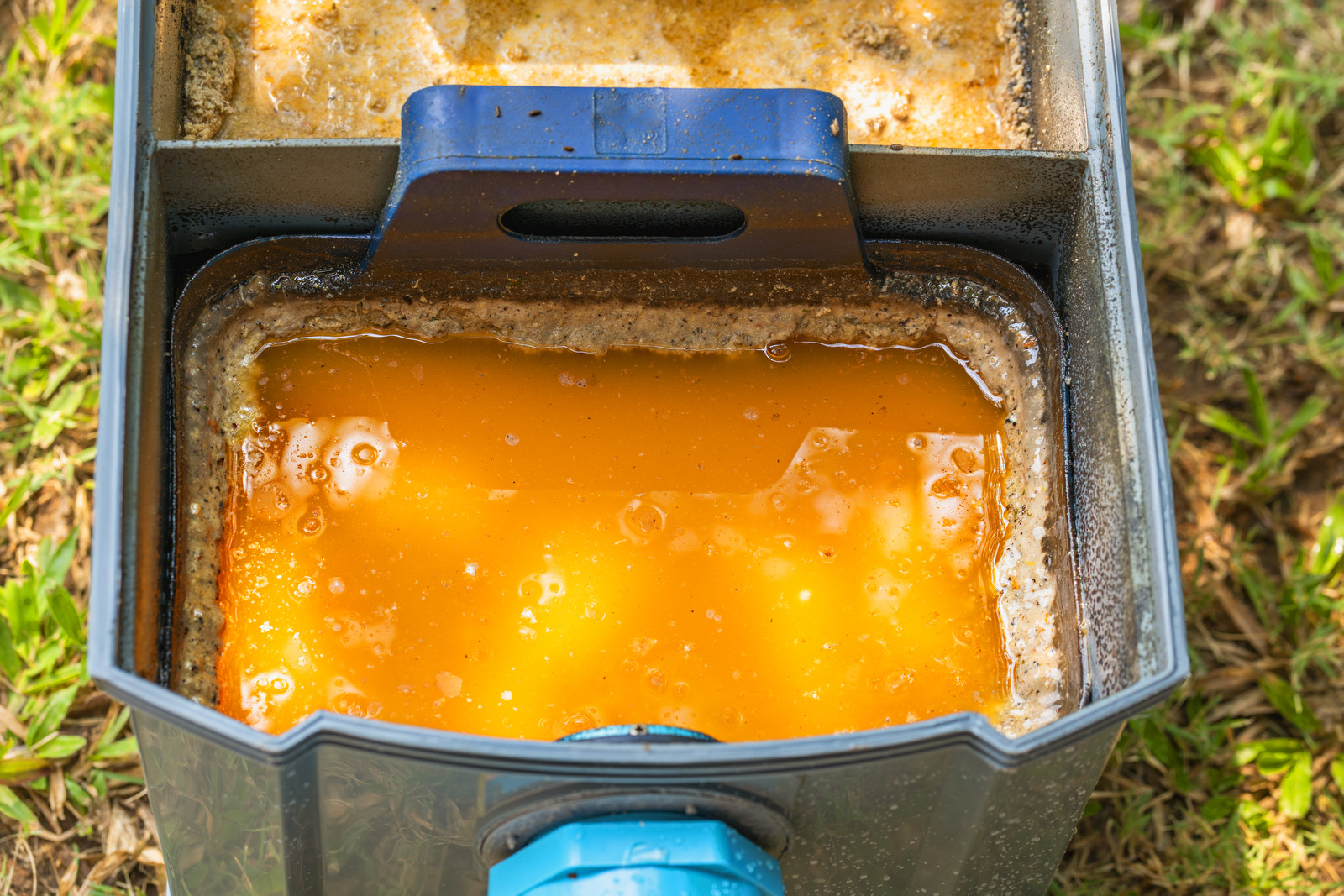
Most restaurant owners think about food. Staff. Reservations. Margins. The grease trap? That’s the thing in the back nobody wants to deal with until it becomes impossible to ignore.
- Commercial grease trap pumping isn’t glamorous. It’s not the kind of maintenance that gets talked about at industry events. But skip it long enough, and it will shut a kitchen down faster than a bad health inspection. Fines. Backups. Violations. The kind of problems that make a slow Tuesday look like a vacation.
- Commercial grease trap pumping is one of those non-negotiable maintenance tasks that sits quietly in the background of every compliant, well-run food service operation. This post covers why it matters, how often it needs to happen, what goes wrong when it doesn’t, and how to make the whole thing less of a headache.
What a Grease Trap Actually Does
- A grease trap also called a grease interceptor sits between the kitchen drains and the municipal sewer line. Its job is to catch fats, oils, and grease before they enter the wastewater system. FOG, as it’s known in the industry. The trap holds it. Slow it down. Let the grease float to the top and the solids sink to the bottom, while the relatively cleaner water in the middle passes through. Simple concept. Effective when maintained. Catastrophic when neglected.
- FOG management is a serious concern for municipalities. Grease in sewer lines causes blockages sometimes called “fatbergs” that cost cities millions every year to clear. A 2019 report from the Water Research Foundation estimated FOG-related issues account for nearly half of all sewer overflows in the U.S. That’s why local authorities don’t leave wastewater compliance to the discretion of individual businesses. They regulate it.
The Compliance Side: It’s Not Optional
Let’s just get this out of the way early.
- Grease interceptor cleaning and regular commercial grease trap pumping aren’t suggestions. In most jurisdictions, they’re legal requirements. Local sewer authorities and health departments set cleaning schedules typically based on trap size and kitchen output and many require documented service records as proof of compliance.
- Fail an inspection. Skip the pumping schedule. Let grease enter the municipal system. The consequences range from fines to permit suspension to forced closure. None of those are recoverable situations on short notice.
- Truth be told, the restaurants that treat grease trap maintenance as optional rarely stay compliant for long. Health inspectors know what to look for. They check records. They check the trap itself. An unmaintained grease trap doesn’t stay hidden.
- Commercial kitchen services that include regular pumping and proper documentation make compliance straightforward, not something to scramble around before every inspection.
What Happens When It Gets Neglected
Here’s where it gets unpleasant.
- An overfull grease trap stops working. The grease layer gets too thick, the solids build up, and instead of trapping FOG, the trap starts pushing it through. Into the sewer line. Into the municipal system. And sometimes backwards. Backups. Slow drains across the kitchen. Sewage smell in the dining area. In extreme cases, raw wastewater comes up through floor drains.
- Grease buildup removal becomes significantly more expensive and complicated when a trap has been neglected for too long. Emergency callouts cost more than scheduled service. Damage to restaurant plumbing pipes coated with hardened grease, fittings corroded by FOG adds repair costs on top of that.
- And then there’s the shutdown risk. A health inspector who finds sewage odors in a dining area, or a trap in critical condition, has grounds to pull an operating permit. A few hundred dollars saved by skipping a pumping service can easily translate into tens of thousands lost during a forced closure.
How Often Does Pumping Actually Need to Happen
There’s no single answer. It depends.
- Trap size, kitchen volume, the type of food being cooked all of these affect how fast a trap fills. A small café with low grease output might manage quarterly grease interceptor cleaning. A high-volume burger or fried chicken operation could need monthly service. Some large kitchens pump every two to four weeks.
- The industry rule of thumb and the one many regulators reference is the “25% rule.” When the combined depth of grease and solids reaches 25% of the trap’s total liquid depth, it needs to be pumped. Waiting beyond that point risks the trap failing to function.
- Preventive maintenance scheduling, based on actual usage data from prior service visits, is the most reliable way to stay ahead of this. A good commercial kitchen services provider tracks fill rates over time and adjusts the schedule accordingly. Not just a fixed calendar date or an actual maintenance program.
FOG Management as a Business Strategy
This sounds like a stretch. It isn’t.
- Restaurants that treat FOG management as a real operational priority not just a compliance checkbox run better kitchens. Fewer drain issues. No emergency callouts. No surprise closures. No scrambling to get a pump truck out on a Saturday night because the kitchen has backed up.
- Restaurant plumbing problems have a way of compounding. A partially blocked drain slows the kitchen. A slow kitchen slows service. Slow service affects reviews, repeat business, and staff morale. None of it starts with the food. It starts with the pipe under the sink.
- Preventive maintenance is cheaper than reactive maintenance. Always. This is true for every mechanical system, and grease trap maintenance is no different. A scheduled pump-out every month or quarter, properly documented, costs a known amount. An emergency pump-out plus drain cleaning plus potential repairs plus a health inspection scramble costs considerably more and arrives at the worst possible time.
Choosing a Commercial Grease Trap Pumping Service
Not all services are equal.
- A few things worth checking. Does the provider issue proper waste disposal documentation? FOG waste is regulated; it needs to go to an approved facility, not somewhere convenient. Ask for the manifest.
- Do they service the trap fully, not just pump the liquid but remove the solids and clean the interior surfaces? Grease buildup removal that only addresses the liquid layer leaves the solids behind, which accelerates refill rates and reduces trap efficiency.
- Do they provide service records suitable for regulatory inspection? Wastewater compliance requires documentation. A provider that doesn’t offer this creates a gap in the compliance trail that shows up at exactly the wrong moment.
- Response time for emergency situations matters too. Grease traps don’t always fail on weekdays during business hours. A provider with after-hours availability is worth the slightly higher contract cost.
The Bottom Line on Grease Trap Maintenance
A neglected grease trap is a liability. Full stop.
- Commercial grease trap pumping on a proper schedule matched to actual kitchen output, documented correctly, performed by a certified provider keeps the kitchen running, keeps the regulators satisfied, and avoids the kind of emergency that turns a profitable week into a very bad one.
- It’s not exciting maintenance. Nobody’s proud of their grease trap schedule the way they’re proud of the menu. But in a commercial kitchen, the operations that run quietly in the background are the ones that keep everything else moving.
- Let’s face it, the restaurants that never have grease trap problems are the ones that treat preventive maintenance seriously. And the ones that end up with sewage in the dining room are usually the ones who thought they could push it another month. Don’t push it another month.
Frequently Asked Questions
How often should a commercial grease trap be pumped?
It varies by trap size and kitchen volume, but the widely used standard is the “25% rule” pump when grease and solids reach 25% of the trap’s liquid capacity. For most commercial kitchens, this means monthly to quarterly commercial grease trap pumping. High-volume or high-FOG operations may need service every two to four weeks to maintain wastewater compliance.
What happens if a grease trap is not cleaned?
The trap stops functioning and begins pushing FOG directly into the sewer line. This leads to grease buildup removal emergencies, blocked restaurant plumbing, sewage odors in the facility, and potential backups through floor drains. Regulatory violations follow fines, failed inspections, and in serious cases, forced closure. Emergency grease interceptor cleaning costs significantly more than scheduled preventive maintenance.
Are grease trap pumping services required by law?
Yes, in most jurisdictions. Local sewer authorities and health departments require regular grease interceptor cleaning and documented service records as part of wastewater compliance. Requirements vary by location, trap size, and type of food service operation. Operating without compliant grease trap maintenance records can result in fines, permit suspension, or closure during routine health inspections.
What are the signs a grease trap needs servicing?
Key indicators include slow drains across the kitchen, sewage or rotten odors near fixtures or in the dining area, visible grease in drain lines, and gurgling sounds after water drains. Any of these suggest the trap is at or beyond capacity. Scheduling commercial grease trap pumping immediately rather than waiting for the next planned service prevents a minor issue from becoming a full kitchen shutdown.