
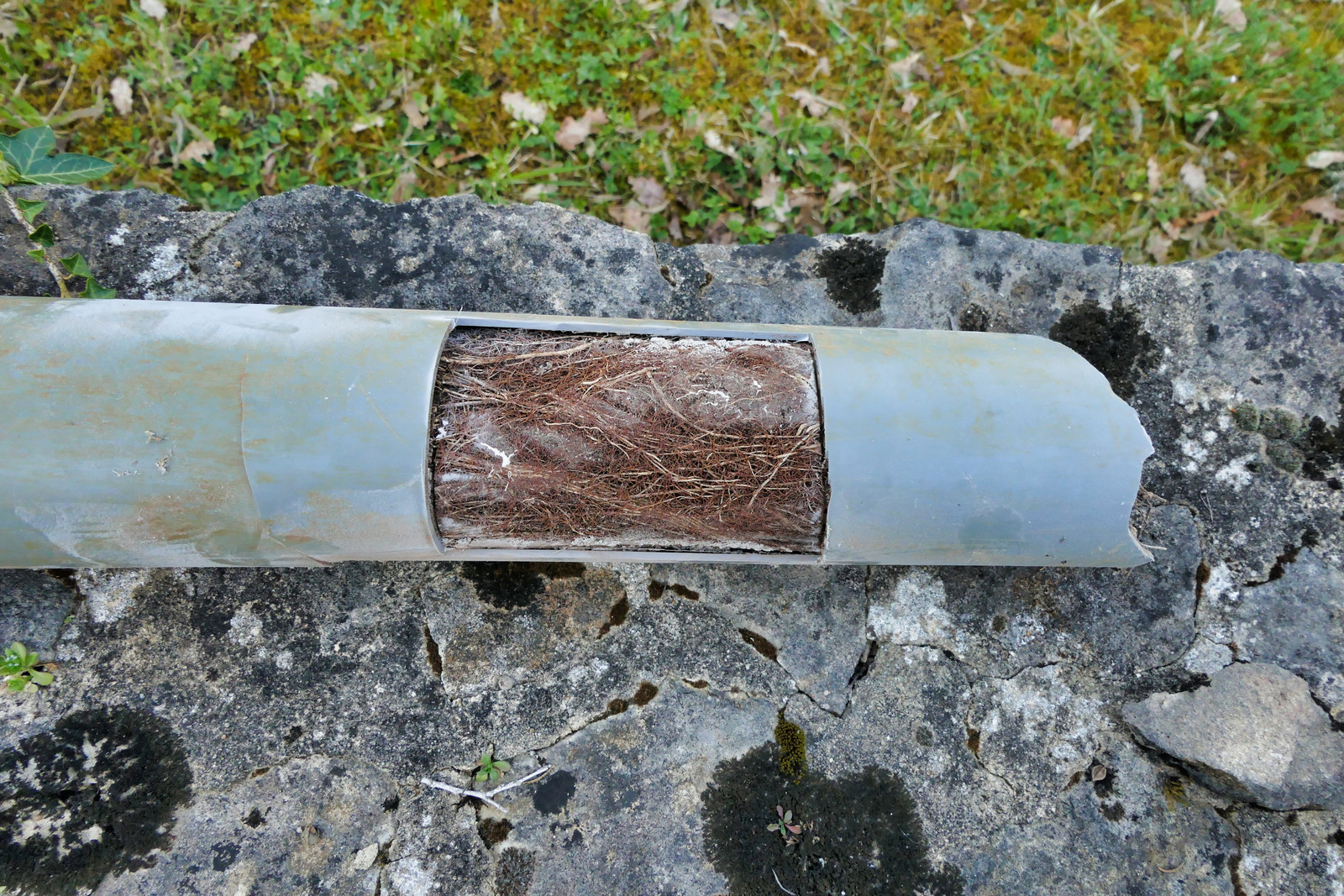
Slow drains. A toilet that gurgles for no reason. That faint sewage smell drifting across the backyard after it rains. None of it is random. Nine times out of ten it comes down to one thing: tree roots have found their way into the sewer line and are slowly choking it shut.
Underground pipes do their job for decades without anyone giving them a second thought. Then, out of nowhere, the toilet won’t flush right and there’s a plumber in the driveway talking about “root intrusion.” So what actually causes this, how do you catch it early, and what does sewer root removal really look like once it gets to that point? That’s what this post covers.
Why Tree Roots Love Sewer Pipes
Roots go where the water is. Simple as that. A sewer line leaks a bit of moisture and warmth even when it’s technically intact, and that’s basically an invitation. A hairline crack, a loose joint, doesn’t take much. Once a root finds the gap it doesn’t stop there either. It grows. Branches out. What starts as a pinhole can turn into a crack the size of a fist within a couple of years.
Older clay and cast iron pipes tend to get hit hardest, since the joints weren’t sealed the way modern PVC is. But newer homes aren’t immune either, especially where a maple, willow or poplar got planted a little too close to the property line years back. And here’s the thing people don’t expect: distance doesn’t always help. Roots can travel ten metres or more chasing water. Sometimes further.
Common Signs of Root Damage in Sewer Lines
Catching tree roots in sewer pipes early is really the whole game here. Costs less, hassle is smaller. Here’s what usually shows up first.
Slow or gurgling drains across more than one fixture at once. That’s not a coincidence, it usually points to the main line being partly blocked.
Frequent clogs. Once in a while, fine, normal. Every couple of weeks? Not normal.
Sewage smell in the yard or basement. Something’s leaking underground somewhere, and roots are a common reason pipe joints crack in the first place.
A patch of grass that’s noticeably greener than the rest of the lawn. Sounds odd, but it tracks. Leaking sewage is basically fertilizer.
Soft spots or small sinkholes. As soil erodes around a damaged pipe the ground above it sinks a little. Not dramatic, usually. Just enough that you’d notice walking across it barefoot.
Backups after heavy rain. Water tables rise, pipes fill faster, and a line that’s already partly blocked has nowhere to send the overflow.
No single sign confirms it on its own. Put a few of them together though and the picture gets pretty clear pretty fast.
Why Ignoring It Doesn’t Pay Off
A lot of homeowners put this off because the symptoms come and go. That’s kind of the trap, honestly. Roots grow slowly, so the blockage gets worse in stages, not all at once. Industry estimates put root intrusion behind close to half of residential sewer failures in older neighbourhoods, and repair costs jump sharply once a pipe actually collapses versus when it’s just obstructed.
Let’s face it, nobody wants to think about their sewer line until it stops working. But a collapsed pipe can mean tearing up a driveway, a garden bed, sometimes even part of the foundation. Compare that to catching it early, which usually costs a fraction as much and takes an afternoon instead of a week of construction.
What Sewer Line Root Removal Actually Involves
Modern sewer line root removal rarely means digging up the whole yard anymore. Sometimes it still comes to that, but not as often as people assume.
Video camera inspection comes first, usually. A small camera gets fed through the line to show exactly where roots have gotten in and how bad things are. Skip this step and you’re basically guessing where to dig, which wastes time and money.
Mechanical auger, or a drain snake. Good for lighter intrusions. A rotating cutting head clears the roots out and restores flow fast. It works, but it’s more of a band aid than a fix, truth be told.
Hydro jetting. High pressure water blasts through the pipe and scours the walls clean, roots, grease, debris, all of it. Tends to leave the pipe in better shape than snaking and buys more time before the next cleaning.
Chemical root treatments. Foaming herbicides go in after the line’s been cleared and slow regrowth for a year or two. Not permanent, but helpful.
Pipe relining or full replacement. For pipes that are cracked, collapsed, or have joints separating all over the place, this is the real long term answer. Trenchless lining has gotten popular for exactly this reason, since it skips tearing up the whole yard.
Root barrier installation. Once the pipe’s fixed, a physical barrier between the tree and the line helps stop the same tree from causing round two.
Preventing Future Root Intrusion
Prevention isn’t exciting. It works though.
Get a camera inspection every couple of years, especially in a home over 20 years old. Keep new trees a good distance from the sewer line, further than seems necessary honestly. Watch existing landscaping near the pipe route and consider a root barrier if there’s a mature tree nearby already. And don’t brush off small drainage issues. They don’t fix themselves, they just wait.
Sewer systems quietly do their job until, one day, they don’t. Catching the early warning signs and actually acting on them, instead of waiting to see if it goes away, is really what separates a routine cleaning from a five figure repair bill.
Frequently Asked Questions
How do I know if tree roots are in my sewer line?
Watch for slow drains, clogs that keep coming back, gurgling sounds, sewage smells outdoors, or an oddly green patch of grass along the pipe route. A camera inspection is really the only way to confirm it before things get worse.
Can tree roots damage sewer pipes permanently?
Yes, if it’s left alone long enough. Roots can crack, shift or fully collapse pipe joints over time. Once that structural damage sets in, cleaning the line won’t be enough, and relining or replacement becomes the only real fix.
Is hydro jetting better than snaking for root removal?
Generally, yes. Hydro jetting scours the whole pipe wall rather than cutting a single path through, so it clears more and lasts longer. Snaking still has its place for quick, minor clogs when time is tight.
How often should sewer lines be checked for root intrusion?
Homes with mature trees nearby should get a camera inspection roughly every two years. Newer homes without large trees close to the line can usually stretch that out a bit longer.