
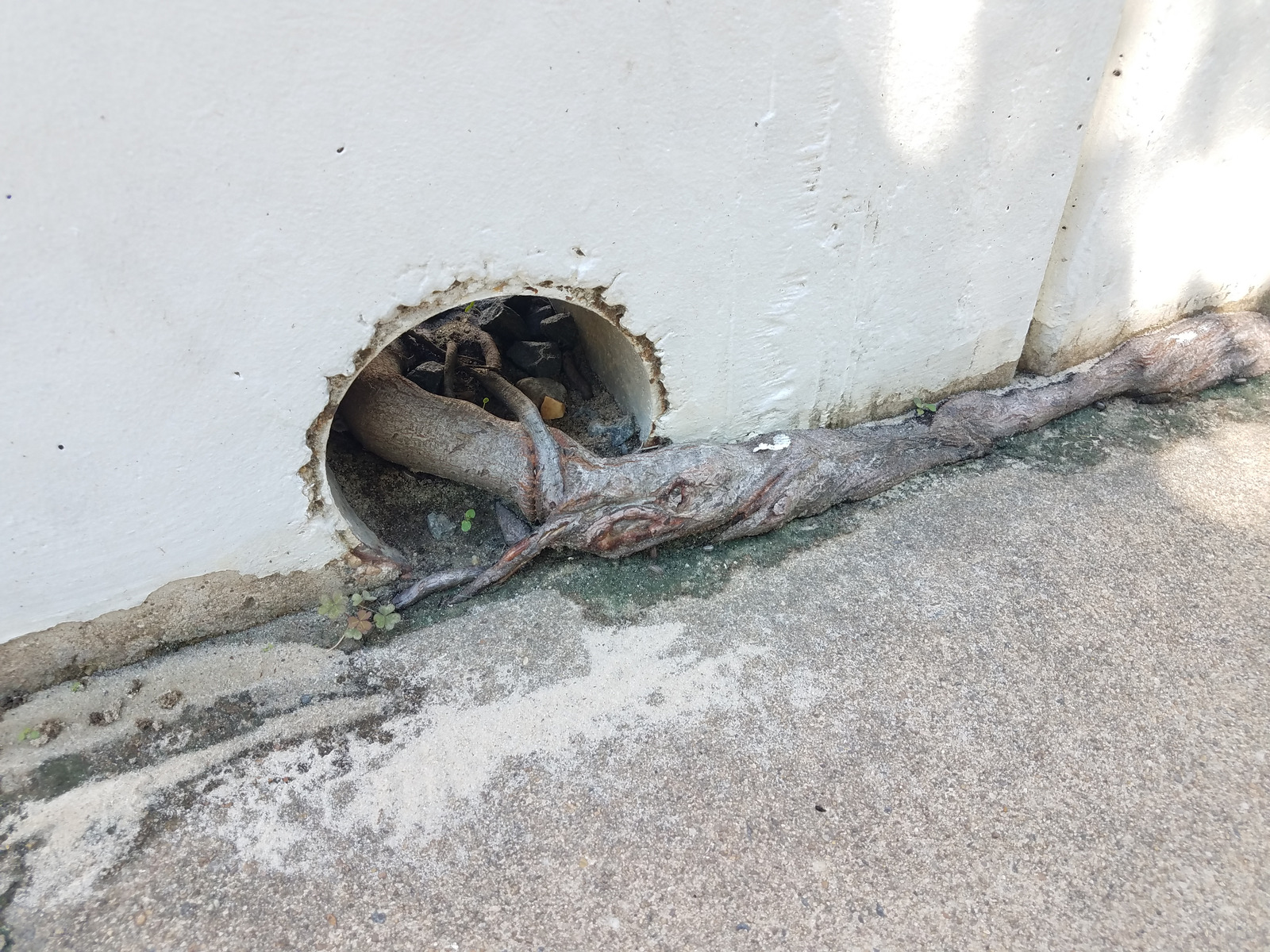
A drain that gurgles every time the washing machine runs. Water backing up in the shower for no obvious reason. A basement floor drain that smells faintly of sewage on a humid day. Most homeowners chalk this up to age or bad luck. More often, it comes down to something growing where it shouldn’t be, tree roots working their way into the drain system, bit by bit, year after year.
This isn’t rare. It’s actually one of the most common reasons drains fail in older neighbourhoods, and it usually starts small enough that nobody notices until the problem’s already significant. This post walks through why tree root intrusion happens, how to spot it before it turns into a real mess, and what tree root removal from drain lines actually involves once it’s needed.
Why Roots End Up in Drain Pipes in the First Place
Trees are relentless when it comes to finding water. Their root systems stretch out looking for moisture, and a drain pipe, even a fully intact one, sweats out just enough condensation to draw them in. Add a hairline crack or a loose joint, which happens naturally as pipes age, and that’s basically an open door.
Once inside, a root doesn’t stay small. It thickens. It branches. Given a couple of years, a gap that started as barely visible can turn into a thick mat of roots strong enough to crack a pipe wall entirely. Clay and old cast iron piping are especially prone to this since their joints were never sealed as tightly as modern materials. That said, plenty of newer homes deal with tree roots in drains too, particularly where a large tree got planted a bit too close to the property line.
Distance from the house doesn’t guarantee safety either, and that surprises a lot of people. Roots have been known to travel well past ten metres chasing a water source. Sometimes further, depending on the species and soil conditions.
Recognizing Tree Root Intrusion Early
Catching tree root intrusion before it escalates saves both money and stress. Here’s what tends to show up first, usually in this rough order.
Slow drainage in more than one fixture at a time. If the kitchen sink, the tub, and the laundry drain are all sluggish together, that’s rarely a coincidence.
Gurgling sounds coming from drains that aren’t even in use. Air getting trapped behind a blockage often makes noise before anything visibly backs up.
Recurring clogs that come back within weeks of being cleared. A one off clog is normal wear and tear. A repeat offender usually means something structural is going on further down the line.
Sewage odour near floor drains or outside near the yard. This points to a leak, and root intrusion is a leading cause of cracked joints that let sewage escape underground.
Unusually lush or green patches of grass tracking along the pipe route. Odd, but it checks out, since leaking wastewater acts like fertilizer.
Soft or slightly sunken areas in the lawn. As roots disturb the soil and pipe, small pockets can shift underground and the surface dips just enough to notice.
None of these signs alone is a smoking gun. Taken together though, they paint a pretty clear picture that something’s growing where it shouldn’t.
The Real Cost of Waiting
A lot of homeowners let this slide because symptoms come and go. That’s actually part of what makes it dangerous. Root growth is gradual, so a drain that backs up once a month can quietly get worse over a year or two without anyone noticing the trend. Industry data suggests root intrusion is behind a significant share, often cited near forty to fifty percent, of residential drain and sewer failures in homes over thirty years old.
Let’s face it, dealing with a slow drain feels like a minor annoyance. But a fully blocked or collapsed line can mean sewage backing into the house, torn up landscaping, and a repair bill that’s several times higher than it would’ve been with early intervention. Truth be told, most people only think about their drains once they’ve already stopped working properly, and by then the options are more limited and more expensive.
How Tree Root Removal From Drain Lines Works
Modern approaches don’t always mean digging up the whole yard, which is good news for anyone picturing a construction site in their front lawn.
The first thing is camera inspection. The plumber uses a small waterproof camera to see how bad the damage caused by the roots is and what exactly needs to be done. Omitting this procedure means that everything has to be based on assumptions which are often wrong, leading to unnecessary trenching in the wrong area.
Mechanical snaking or augering. Using the special tool, the plumber mechanically cuts the roots out and makes way for normal drainage again. This process is fast, however, the results will not be long-lasting.
Hydro jetting. Under high pressure, water is injected into the pipe to wash the inner walls from the roots, fat, or other debris. In comparison with the mechanical method, this one gives better results in the long term.
Chemical root treatments. Foaming products applied after mechanical clearing slow regrowth for a season or two, which buys time between cleanings.
Pipe relining or replacement. For pipes with real structural damage, cracked joints, collapsed sections, this becomes the long term fix. Trenchless lining has become the preferred option for a lot of properties since it avoids tearing up the yard completely.
Root barriers. Installed after repairs, these physical barriers sit between the tree and the pipe to stop the same roots from causing a repeat problem down the road.
Keeping Roots Out for Good
None of this is glamorous work, but a bit of upkeep goes a long way. Schedule a camera inspection every couple of years for older homes. Keep new trees a healthy distance from drain and sewer lines, further than seems necessary, honestly. Watch for early warning signs instead of waiting for a full backup. And if a mature tree already sits close to the pipe route, a root barrier now is a lot cheaper than excavation later.
Drains are one of those systems nobody thinks about until they stop working. Paying attention early, and acting on it, is really what separates a routine cleanout from a major repair down the line.
Frequently Asked Questions
How do you know if there are tree roots in your drainage system?
Some signs are slow or gurgling drains, recurring clogs, sewage odor coming from the yard, and green patches of grass over the path of the drain pipe. You can verify the presence of tree roots in your drains by using a video camera inspection.
Why do tree roots get into drain pipes?
They search for moisture, so any opening or cracks in an older drain line will make it easy for them to enter the drainage system. Old drainage pipes made of clay or cast iron are particularly susceptible, but even new pipes that run next to large trees may have the problem.
Will hydro jetting work on tree root clogs in drains?
Yes, hydro jetting is one of the most effective cleaning methods because the process scrubs the whole drainage pipe, as opposed to snaking, which creates only a narrow passage inside the drain pipe.
How often should drains be inspected for tree root intrusion?
Homes with mature trees nearby should have a camera inspection roughly every two years. Newer properties without large trees close to the drain line can typically go a bit longer between checks without much added risk.