
Water stops. Life doesn’t. That’s the problem nobody fully prepares for until it’s already happening. A burst main in the street. A contamination alert. A natural disaster that takes out the local system for days. Suddenly, a basic necessity that most people don’t think about once becomes the only thing anyone can think about.
Emergency water supply services exist precisely for this moment. Fast, reliable, delivered directly to where it’s needed. Whether it’s a single household running dry or a commercial facility that can’t afford to shut down, emergency water supply fills the gap while the main system gets fixed.
What Actually Counts as a Water Emergency
Not every water issue is an emergency. A slow tap might just need a new washer.
- But some situations genuinely can’t wait. A municipal water interruption that affects an entire street or suburb. A private bore pump that fails mid-summer with no rain in sight. A pipe burst inside a commercial building that takes the whole internal system offline. A flood that compromises the local supply network for days.
- These aren’t inconveniences. They’re operational crises. Homes can’t function without water. Restaurants close. Hotels can’t operate. Hospitals have strict requirements even a short interruption creates serious problems.
- According to the American Society of Civil Engineers, the U.S. experiences roughly 240,000 water main breaks per year. The UK’s water industry reports tens of thousands of incidents annually too. This isn’t rare. It happens constantly, in every kind of community.
- Water outage solutions need to be fast, scalable, and actually safe to use. That’s the standard worth measuring against.
Emergency Water Delivery: How It Works
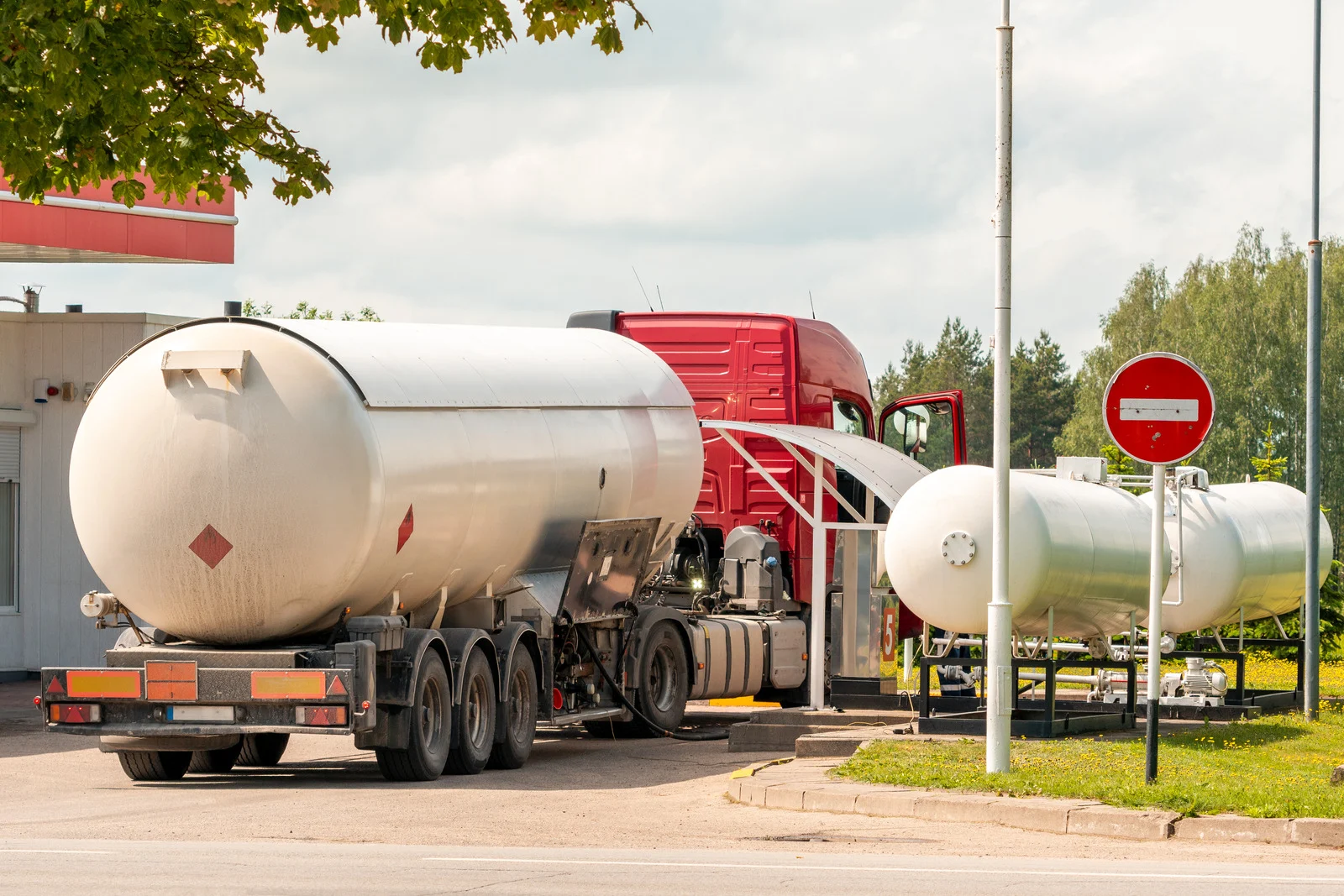
- The core service is straightforward. A tanker truck certified for potable water services if drinking water is involved is dispatched to the location. Water is pumped into on-site storage, temporary tanks, or directly into the property’s supply system via an appropriate connection.
- Emergency water delivery can be arranged for a single household or for a large-scale operation needing tens of thousands of gallons. The volume scales. The logistics scale too.
- For homes, it usually means filling a holding tank or temporary bladder tank set up on the property. For businesses and facilities, it might mean multiple tanker runs on a tight schedule keeping kitchens, bathrooms, cooling systems, and production lines operational.
- Dispatch times vary. In most urban areas, urgent water delivery can happen same-day. Sometimes within a few hours of the call. Rural and remote locations take longer, worth knowing before the emergency, not during it.
Residential Situations That Trigger an Emergency Call
More common than people expect.
- Rural and semi-rural properties on private water systems, bore water, rainwater tanks, private dams are particularly vulnerable. A dry stretch of weather, a pump failure, a cracked tank. Any of these can leave a household without water entirely.
- Urban households aren’t immune either. A municipal water interruption affecting a neighborhood. A burst pipe inside the home that requires the supply to be cut while repairs happen. Moving into a new property where the connection hasn’t been established yet.
- Temporary water supply delivered by tanker gets families through these gaps without having to leave their homes. Drinking, cooking, sanitation the basics stay covered.
- Truth be told, the worst part of a water emergency isn’t the inconvenience. It’s not knowing how long it’ll last. A reliable emergency water supply service removes at least that part of the uncertainty.
Commercial and Industrial Needs
The stakes are higher here. Lost water means lost revenue, sometimes from the first hour.
- Restaurants and cafes can’t operate without water. Full stop. Health codes, kitchen function, bathroom facilities are all gone the moment the tap runs dry. Emergency water delivery to a commercial kitchen is sometimes the difference between staying open and closing for the day, or the week.
- Hotels face the same problem. Hundreds of guests. Laundry, kitchen, showers, pools. A municipal water interruption that runs overnight is a serious operational issue that most hotel managers have thought through or should have.
- Manufacturing and industrial sites often have even greater demands. Cooling systems, production lines, cleaning processes all of them depend on consistent water availability. Backup water systems that can be topped up by scheduled tanker delivery keep production from stopping when the mains can’t deliver.
- Hospitals, care facilities, and emergency services have legal obligations around water supply that make outages a compliance issue as much as a practical one. Potable water services delivered on short notice are part of how those obligations get met.
Disaster Response: When It’s Bigger Than One Building
Floods. Wildfires. Earthquakes. Major infrastructure failures.
- Natural disasters often compromise water supply across entire regions. The immediate priority is disaster response water getting safe drinking water to affected populations fast. Before normal supply can be restored. Before permanent repairs are even assessed.
- Emergency water delivery at this scale is coordinated between private water logistics companies, local government, and emergency services. Tanker fleets, temporary storage, distribution points, it’s a full logistics operation. And it moves fast when it’s organized.
- After Hurricane Katrina, emergency water logistics kept communities going for weeks while infrastructure was assessed and rebuilt. After major bushfires in Australia, tanker networks supplied isolated communities for months. The scale changes. The core service is the same: getting water where it needs to be, fast.
- Disaster response water planning isn’t something communities can figure out in the middle of a crisis. The providers, contracts, and logistics need to exist before the disaster. That’s why local emergency management agencies typically have standing agreements with urgent water delivery services ready to activate.
Backup Water Systems: Planning Before the Emergency
The smartest approach to water outages is not reacting to them. It’s not being caught off guard by them.
- Backup water systems on-site storage tanks sized to cover operations for 24 to 72 hours, supplied by scheduled tanker delivery give facilities a buffer. If the mains go down, operations continue while the emergency service is arranged. No scrambling. No interruption.
- For residential properties in areas prone to water stress, a properly sized rainwater or holding tank with a known refill service is the same idea. Set it up once. Know who fills it. Done.
- Let’s face it, most water emergencies aren’t sudden disasters. They’re supply disruptions that escalate because no one had a buffer in place. A temporary water supply arrangement doesn’t have to be complicated. It just has to exist before it’s needed.
- Water outage solutions that are already in place are worth ten times as much as solutions that have to be arranged during the outage.
Choosing the Right Emergency Water Supply Service
Not every provider is the same. A few things that actually matter.
- Certification for potable water services is non-negotiable if the water is being used for drinking or food preparation. The tanker, hoses, and fittings need to meet food-grade and drinking water standards and the provider should be able to show documentation.
- Response time is the other critical factor. During a municipal water interruption, hours matter. Before hiring any service, it’s worth asking directly: what’s the dispatch time? What’s the guaranteed response window for emergencies?
- Volume capacity and scheduling flexibility matter for commercial users. A single tanker load might not be enough. The service needs to be able to coordinate multiple deliveries or stage supply to match demand.
- The providers worth working with are the ones that can be called at any hour, can confirm dispatch quickly, and won’t require a lengthy procurement process when time is already running out.
The Bottom Line
Water access feels guaranteed until it’s not. Emergency water supply services are what bridge that gap keeping households livable, businesses operational, and communities functional when the normal system fails. The service exists. It works. It scales from a single home to a regional disaster response. The only real variable is whether the right contact is already in place before the taps run dry.
Finding a certified emergency water delivery provider, understanding what temporary water supply options exist locally, and having basic backup water systems in place none of that is complicated. It just requires thinking about it before the crisis, not during. After all, the best time to solve a water emergency is before it starts.
Frequently Asked Questions
What should I do during a water supply emergency?
First, check with the local utility to confirm whether it’s a municipal water interruption and get an estimated repair time. If the outage will last more than a few hours, contact an emergency water supply provider for urgent water delivery. Store whatever water is available in clean containers immediately. Don’t wait to see how long it lasts before making the call.
How can I get emergency water delivered?
Contact a local emergency water delivery or water tanker service directly. Most operate 24/7 and can dispatch same-day in urban areas. Provide the address, an estimate of the volume needed, and any access information. For potable water services, confirm the provider is certified for drinking water delivery before confirming the order.
Is emergency water safe for drinking?
It depends on the provider and vehicle used. Potable water services use tankers specifically certified for drinking water, food-grade tanks, fittings, and hoses that meet health and safety standards. Always confirm certification before using delivered water for drinking or cooking. Reputable providers carry documentation and can supply water that meets the same standards as municipal supply.
How fast can emergency water supply services respond?
In most urban and suburban areas, urgent water delivery can be arranged same-day sometimes within two to four hours of a confirmed booking. Rural or remote locations may require additional lead time depending on distance and available fleet. Having a temporary water supply provider’s contact saved in advance significantly cuts response time when disaster response water is needed urgently.