
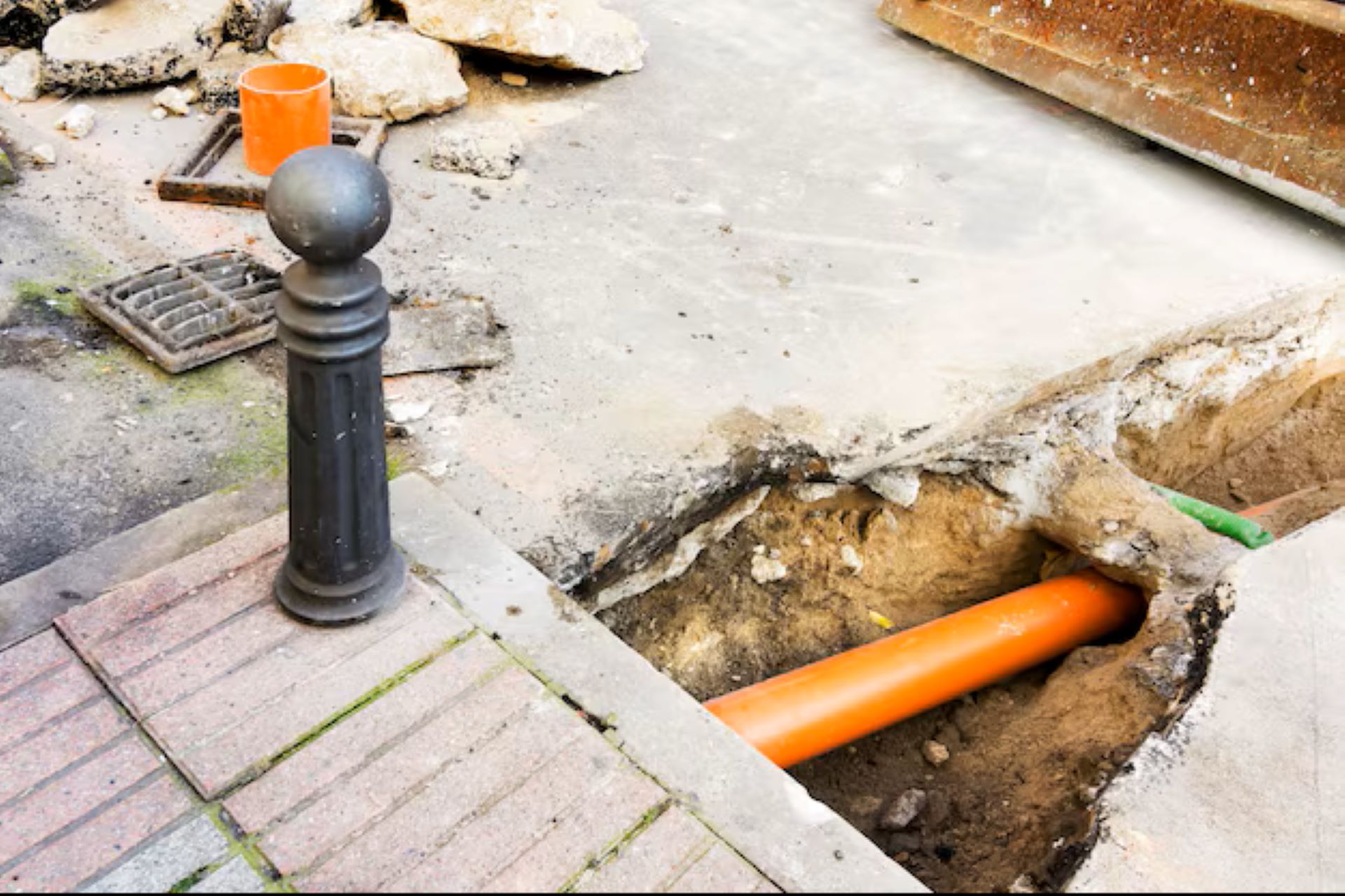
Tree-lined properties are common across Ottawa, and while the shade may be nice in summer, underground roots can bring a different kind of trouble. When those roots start pushing into pipes, drains can slow, clog, or back up altogether. If you’ve noticed your drains acting up late in the season, it might not be just a build-up of grease or hair. In some cases, tree root removal from the drain becomes the only way to get things working again.
As we move into late November, it’s good to deal with problems before the ground freezes. Underground repair work is much easier now than it will be in deep winter. That’s why we always suggest checking those slow drains sooner rather than later.
What Tree Roots Do to Pipes
Roots are drawn to moisture. If there’s even the smallest crack or joint in a pipe, they’ll find it. At first, they may only poke in a little, but once they hit that water flow, they keep growing.
Older homes in Ottawa are more likely to have clay or concrete pipes, which are especially easy for roots to break into. These materials shift or crack as the soil moves through years of freezing and thawing. Sometimes the roots enter through joints. Other times they work their way into hairline fractures until the pipe starts to fill up.
It might seem surprising, but even a really tiny opening in a pipe is enough for fine tree roots to inch their way in. Once they’re inside, they can split and spread throughout the pipe, looking for water and space. As roots continue to swell, that small opening soon becomes a broad web. These fine, hair-like roots act like a net, catching even tiny bits of toilet paper, grease, or other everyday debris that flow through your system. Over time, these clumps can harden and block water flow.
The opening in the pipe keeps getting narrower and narrower, and soon water has nowhere to go. That’s when backups hit and the real mess begins. On top of that, pipes carrying waste are often under lawns, driveways, or gardens, so issues below the surface can lead to pooling water or ground that feels soft underfoot.
Signs That Roots Are the Problem
A clogged drain isn’t always about what went down the sink. Some blockages come from outside the home, not inside. When the line is blocked by something deeper, the signs can show up all over the house.
• Drains that gurgle when water runs
• Toilets that bubble or won’t flush fully
• Water pooling around floor drains
• Smells that stick around even after cleaning
• A plunger or drain cleaner that works, then fails again a few days later
Some other signs include water draining away slower than usual from sinks or tubs, especially when several drains start to act up around the same time. If you flush a toilet and notice that another fixture bubbles or makes noise, it could mean a blockage further down the line is affecting the whole system. If you’ve tried clearing the drains and the problem keeps coming back, it might not be something you can fix from the top with a plunger or hot water. Roots may be growing just out of reach, putting pressure on the system from the outside.
These issues can be easy to dismiss at first, especially if drains seem to work properly again for a little while. But if the symptoms return or get worse, it’s a sign that the real cause is still below ground. Ignoring these clues can make winter living less comfortable if the clog gets worse later in the season.
Why Late Fall Is the Time to Act
Ottawa winters don’t leave much room for digging. Once the ground freezes, any work that needs to happen below the surface takes longer and becomes more disruptive. Equipment has a hard time breaking through frozen soil, and the cold makes pipe repairs trickier.
Late November gives that last window before deep frost sets in. The soil is still workable, and it’s possible to access shallow sections of the yard and take action before winter weather makes everything harder to reach. If repairs or deeper fixes are required, finishing the work ahead of the snow is a lot less stressful than scrambling through ice and slush in January.
Another reason to act in late fall is that waiting until spring might seem easier when the snow starts falling, but that can mean months of off-and-on clogs or worse, a full sewer backup during a holiday weekend when it’s harder to fix. Cold weather also adds to repair costs and effort, and the ground can stay frozen in Ottawa through March or,later.
Thinking ahead opens more options if your pipes need work, giving you time to plan instead of having to respond to an emergency when the weather is at its worst.
How Pros Find and Fix Root Issues
It’s not always clear if a clog is from soap build-up, grease, or something worse, and guessing rarely fixes anything. That’s why pros use tools like camera inspections to take a real look underground before deciding what to do.
These cameras snake through the drain and show exactly what’s happening inside the pipe. If tree roots are present, we can see how far they’ve reached and if they’ve damaged the pipe. That makes it easier to plan the fix without guesswork or extra digging.
With the camera’s video feed, it’s possible to spot whether roots are thin or thick, whether they cover a short section or a long stretch, and if the pipe itself is cracked or shifted. This way, pros can choose the right method to solve the problem. When it comes to dealing with those roots, we might use root-cutting tools that slice through blockages or water jetting that flushes things clean. Special cutters can move through the pipe and sever clumps of roots, helping get water flowing again. Water jetting loosens up stubborn messes and clears out residual debris to prevent them from getting stuck again.
If damage is too far along, repairs or spot replacements might be needed to stop the problem at its source. In some cases, sections of the pipe may need to be replaced if roots have busted through. Either way, it helps to know exactly what we’re up against. This approach helps avoid unnecessary digging and keeps disruption to a minimum.
Aqua Drain provides drain cleaning services in Ottawa using high-pressure water jetting, rooters, and camera inspections that show if pipe repairs or spot fixes are needed for stubborn root clogs.
Keep Drain Trouble from Getting Worse
Drains that slow down or clog once might not seem like a big deal, but when it keeps happening, chances are it’s more than just food scraps or hair. If roots are getting in, they’re not going to stop. They’ll keep spreading until water can’t flow and things start backing up.
Tree root removal from the drain helps prevent those repeated issues and keeps wastewater going where it’s supposed to. Taking care of it now can mean fewer surprises later, especially once digging becomes nearly impossible with frozen soil.
Fall is a good time to pay attention before minor clogs turn into something bigger. Acting early gives us a better shot at solving the problem the easy way, before winter makes everything harder. In Ottawa, being one step ahead of drain issues can make a big difference through the colder months.
Noticing slow drains or unusual pipe noises can signal bigger issues, such as tree roots invading your plumbing. Tree roots often go undetected until they cause a full blockage, which is why our team at Aqua Drain recommends addressing concerns like these before winter arrives. Our approach to tree root removal from the drain can help keep your plumbing in top shape before the ground freezes, so contact us today.