
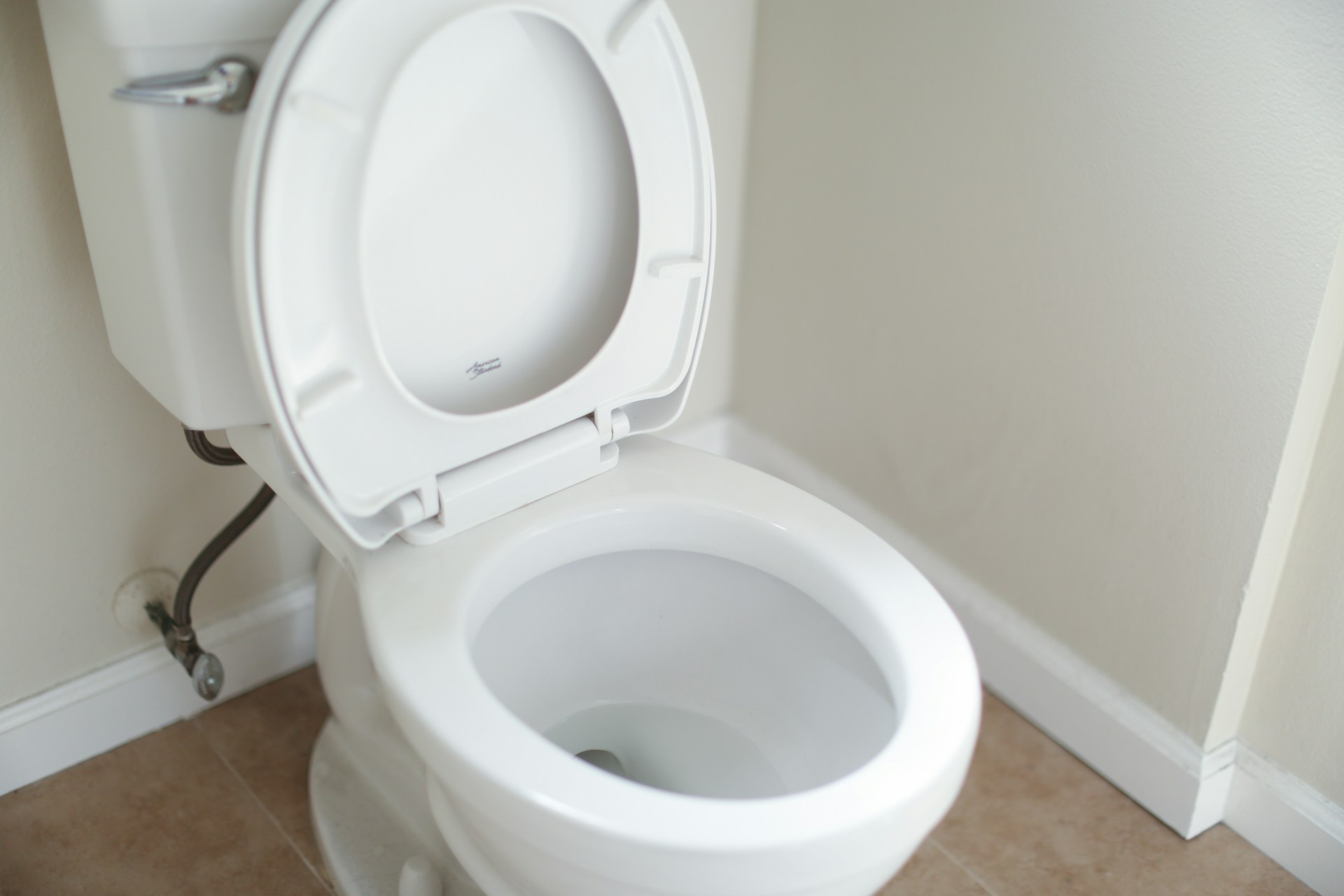
Imagine you’re getting ready for a busy day in Ottawa, and just as you’re about to leave the house, you hear a troubling sound from the bathroom. You rush in to find water pooling on the floor and your toilet refusing to cooperate. A toilet overflow can be an unexpected and frustrating plumbing emergency, turning your morning upside down without warning. Understanding why this happens and knowing what actions to take can make all the difference.
Toilet overflows aren’t just inconvenient; they’re fairly common due to various reasons, like clogs or issues with the toilet’s internal mechanisms. Realizing the importance of immediate action prevents further damage and keeps everything under control. You’ll not only protect your home but also avoid the headache of a larger mess to clean up later.
Identify the Cause
When your toilet decides to misbehave and starts spilling water everywhere, it’s vital to first figure out why. Common culprits are usually pretty straightforward, like blockages caused by too much toilet paper or foreign objects taking up residence in the pipes. Sometimes it’s a fault within the toilet itself, like a malfunctioning float that’s not stopping water flow properly.
Here’s how you can safely inspect without causing more chaos:
– Observe Closely: Start by looking inside the toilet tank. See if anything looks out of place. The float, which controls the water level, might be stuck, causing water to overflow.
– Avoid Further Use: Resist the urge to flush again, as this only adds more water to the problem. It’s best to keep the toilet inactive until you understand what’s causing the overflow.
– Check for Obvious Blockages: Peek into the bowl to see if anything’s clearly blocking the drain. Sometimes, things like hygiene products accidentally end up there, causing the backup.
Recognizing the cause promptly helps in deciding the right action to take. If it’s an issue you can’t immediately resolve by observation, it might be time to think about professional help, ensuring the problem doesn’t escalate.
Immediate Actions to Take
Once you’ve pinpointed the likely suspects behind the overflow, it’s time to roll up your sleeves and take action. Quick responses not only save your floor from water damage but also lay the groundwork for a smoother recovery process.
Here’s your go-to list for managing an overflowing toilet:
1. Stop the Water Flow: Find the water shut-off valve, typically located at the base of your toilet near the wall. Turn it clockwise to stop the water supply.
2. Contain the Water: Use towels or mop up excess water. This helps minimize damage and makes the cleanup less overwhelming later.
3. Check the Float: If you suspect the float is the issue, gently adjust it within the tank. Sometimes a slight tweak can stop the overflow.
4. Clear Obstructions: If you can safely see what’s blocking the drain, try using a plunger to dislodge the blockage. Ensure you’re using the plunger correctly to avoid mishaps.
5. Assess for Damage: Look around for any water that might have seeped into areas it shouldn’t. Catching early signs of water damage stops bigger problems later.
Taking these steps quickly shows you’ve got a strong handle on a potentially chaotic plumbing emergency. If things look too complicated, don’t hesitate to call in the pros, ensuring everything gets back to normal without any added stress.
Cleaning Up the Mess
Dealing with the aftermath of an overflowing toilet isn’t glamorous, but it’s a task that needs to be tackled with care and attention. The first step is ensuring you use the right cleaning methods to make your bathroom safe and hygienic again. Start by gathering proper cleaning supplies like disinfectants, mops, and sponges. Wearing gloves and other protective gear keeps you safe from any harmful germs or contaminants that may have spread during the overflow.
– Choose the Right Cleaners: Opt for disinfectants designed to eliminate bacteria and viruses. This ensures all surfaces are thoroughly sanitized.
– Start from Top to Bottom: Begin by cleaning higher surfaces first, then gradually work down. This prevents any missed germs from dripping onto freshly cleaned areas.
– Dry Out the Area Completely: Once cleaned, ensure everything is dried thoroughly. Use fans or open windows for ventilation, helping to prevent mould from developing in damp spaces.
Thorough cleaning isn’t just about aesthetics; it stops any bacteria from taking hold and ensures your bathroom is both clean and safe for use again.
When to Call a Professional
Sometimes, even after you’ve done all you can, it’s clear something more serious is at play. Knowing when to call a professional can save time and stress, restoring your bathroom to its normal function. Here’s when you should consider making that call:
– Persistent Issues: If you’ve tried to solve the problem, but the toilet keeps overflowing or draining slowly, there might be a more intricate issue with your plumbing system.
– Signs of Damage: Spotting signs of water damage indoors or even on the floor below can indicate leaky pipes or further complications that need expert attention.
– Foul Smells or Sewage: If there’s a persistent odour or signs of sewage back-up, it’s crucial to contact a professional as these are signs of potential serious blockages or sewer line issues.
Professionals have the right tools and expertise to address any such complications, ensuring your plumbing is in top shape and avoiding recurring problems.
Bright-Side Takeaway
Having a plan for handling an overflowing toilet gives you confidence and peace of mind, knowing you can act quickly and effectively. Being prepared can significantly reduce the stress associated with unexpected plumbing issues. Remember, while some tasks can be managed by homeowners, professional help is invaluable when the problem seems beyond simple solutions.
So, keep your local expert’s number handy, because having access to professional assistance brings reassurance and keeps your home safe from more extensive damage. Knowledge is power, and with these practical tips, you’re well on your way to mastering unexpected plumbing challenges in Ottawa.
Dealing with a plumbing emergency can be stressful, especially when you’re unsure about the next steps. If your efforts to manage the situation haven’t resolved the issue, consider reaching out to professionals who can handle the complexities of plumbing problems. Trust Aqua Drain for expert assistance to ensure your system is in top condition. For immediate help from Ottawa’s skilled plumbers, rely on Aqua Drain’s plumbing emergency services.