
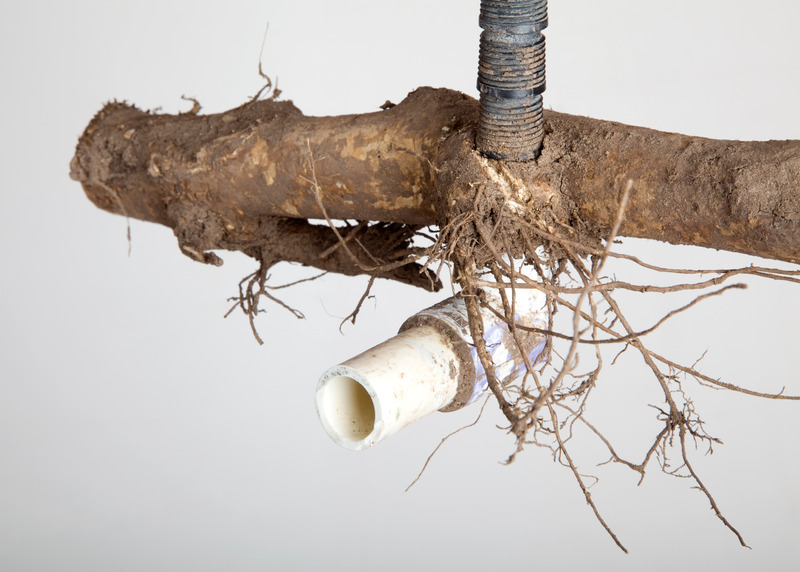
Tree roots don’t knock before entering. They just find a way in. And once they do, problems start building quietly underground. Drain Root Clearing becomes necessary when those roots begin choking your pipes, slowing water flow, and eventually causing serious plumbing failures. This isn’t rare either. Many property owners deal with hidden roots in sewer line systems without realizing it early. What starts as a slow drain can turn into full backups, costly repairs, and even structural pipe damage. This guide breaks down what causes it, how to spot it, and what professionals actually do to fix it.
Why Tree Roots Invade Drain Pipes
Roots naturally grow toward moisture. Pipes especially, older ones, often have tiny cracks or loose joints. That’s all it takes. Once inside, roots expand. Slowly at first. Then aggressively. This is where root intrusion plumbing becomes a real issue. Pipes made from clay or older materials are especially vulnerable. Even modern systems aren’t completely safe if there’s any weakness underground.
Over time, this leads to:
- Blocked water flow
- Pipe pressure buildup
- Gradual pipe deterioration
Eventually, it results in tree root drain damage that can’t be ignored.
Common Warning Signs You Shouldn’t Ignore
Most people miss the early signs. It doesn’t feel urgent at first. But the signals are there:
1. Slow Draining Fixtures
Water taking longer to drain? Not just one sink but multiple? That’s often linked to underground pipe blockage deeper in the system.
2. Gurgling Sounds
Odd noises from toilets or drains usually point to trapped air caused by sewer line blockage roots interfering with normal flow.
3. Frequent Backups
Recurring clogs are a red flag. Especially if plunging doesn’t solve the issue for long.
4. Bad Odors
Roots can trap debris and waste. That leads to unpleasant smells coming from drains.
5. Sudden Green Patches in Yard
Strangely lush grass in one area? That could mean leaking wastewater feeding plant growth often caused by roots in sewer line damage.
How Bad Can Root Damage Get?
Truth be told, pretty bad. At first, roots act like a filter catching debris. But as they grow, they form dense blockages. Water slows down. Pressure builds. Pipes begin to crack further.
In severe cases:
- Pipes collapse completely
- Sewage backs up into the property
- Excavation becomes unavoidable
That’s why early Drain Root Clearing is far cheaper than full pipe replacement.
How Professionals Detect Root Intrusion
Guesswork doesn’t work here. Plumbers rely on tools. One of the most effective methods is using a drain inspection camera. It’s inserted into the pipe to visually confirm the extent of the problem.
This helps identify:
- Exact root location
- Severity of blockage
- Pipe condition
No digging required at this stage. Just clear insight. And honestly, this step changes everything. It avoids unnecessary repairs and targets the issue precisely.
Professional Drain Root Clearing Methods
Once confirmed, the next step is removal. Not all methods are the same though.
1. Mechanical Root Cutting
A rotating blade cuts through roots inside the pipe. Quick and effective for moderate blockages.
2. Hydro Jetting
High-pressure water blasts away roots and debris. It also cleans pipe walls, reducing future buildup.
3. Chemical Treatments
Special solutions slow regrowth. Not always a standalone fix, but useful after physical removal.
4. Pipe Repair or Replacement
If tree root drain damage is severe, sections of pipe may need repair. Sometimes trenchless methods are used to avoid digging up large areas. Each method depends on the condition of the pipe and the level of root intrusion plumbing involved.
Can Roots Grow Back After Removal?
Roots are persistent. Cutting them removes the immediate problem, but if the pipe still has cracks, they can return.
That’s why long-term solutions matter:
- Sealing pipe joints
- Replacing damaged sections
- Regular inspections
Ignoring this part? The problem just repeats.
Preventing Future Root Problems
After all, prevention is easier than repair. Here’s what helps:
- Schedule routine drain inspections
- Avoid planting trees near sewer lines
- Replace aging pipes before they fail
- Act quickly on early warning signs
Even small maintenance steps can prevent major sewer line blockage roots issues later.
Why Professional Help Matters
DIY fixes don’t cut it here. Literally.
Roots inside pipes require specialized equipment and experience. Without proper tools, the blockage may worsen or the pipe could be damaged further.
Professional Drain Root Clearing ensures:
- Complete removal of roots
- Accurate diagnosis
- Long-term protection strategies
It’s not just about clearing the pipe. It’s about preventing the next problem.
FAQs
How do roots get into drain pipes?
Roots enter through small cracks, loose joints, or weak pipe connections. Pipes naturally attract moisture, making them a target. Once inside, roots expand and grow, eventually causing blockages and structural damage if left untreated.
What are signs of roots in sewer lines?
Common signs include slow drains, gurgling noises, recurring clogs, and foul odors. In some cases, patches of unusually green grass appear above the pipe. These symptoms often point to roots in sewer line systems restricting flow.
Can tree roots break pipes?
Yes, especially older or weakened pipes. Roots don’t start by breaking pipes but expand inside them. Over time, pressure increases, leading to cracks, leaks, or even complete pipe collapse if not addressed early.
How do plumbers remove roots from drains?
Plumbers use methods like mechanical cutting, hydro jetting, and sometimes chemical treatments. A drain inspection camera is often used first to locate the problem, ensuring precise and effective removal of roots.