
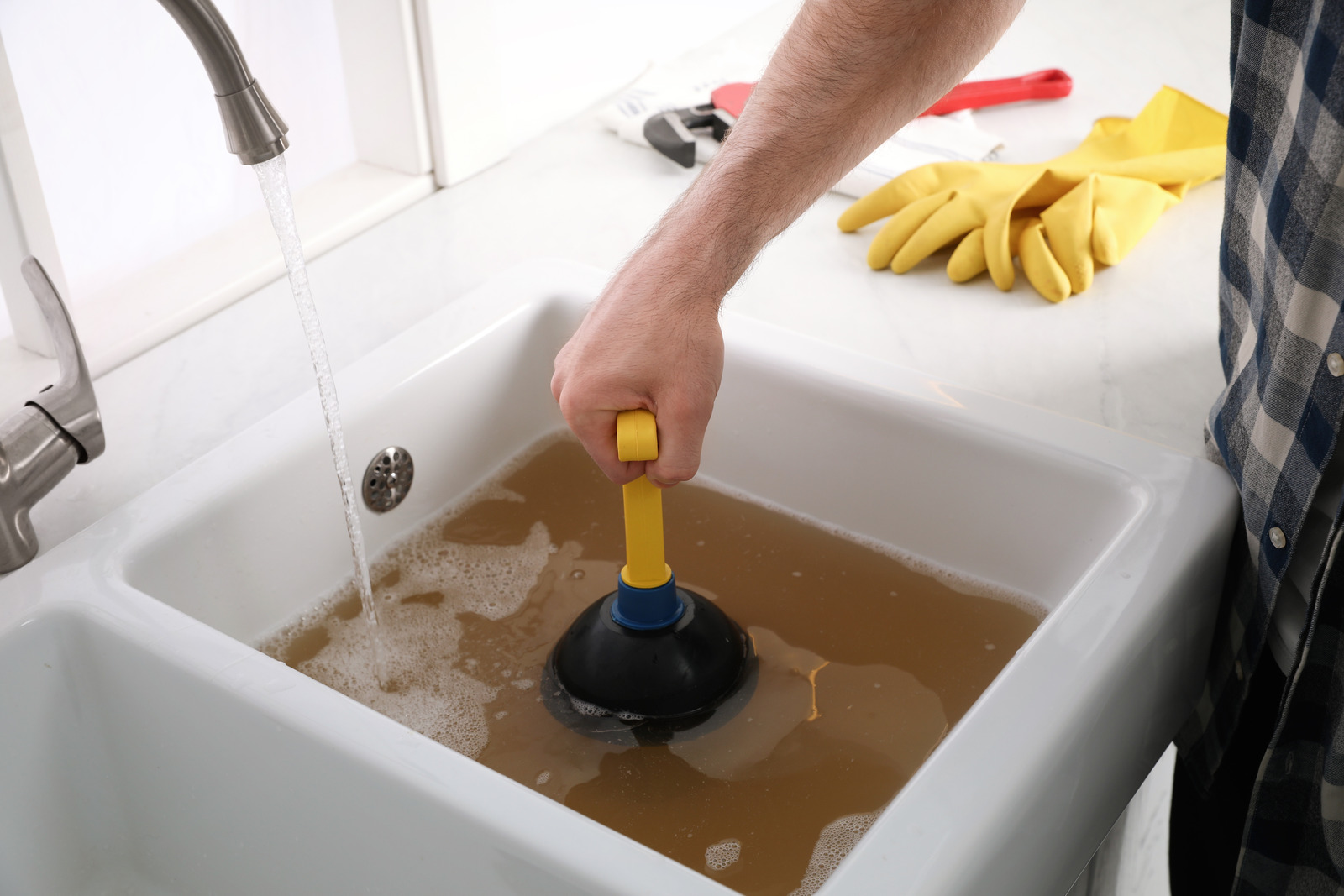
The kitchen sink blocked again. Same drill. Standing water, smell developing, everything in the kitchen suddenly is more annoying than it needs to be. And the frustrating part isn’t just that it’s blocked, it’s that it keeps blocking.
This is the thing about a recurring sink blockage. It’s not random. Something specific is causing it to keep happening, and it’s the same something most of the time. This post covers the actual reasons kitchen drains keep blocking, not just how to clear them temporarily.
Grease. That’s the Main One.
Almost every recurring kitchen drain blockage traces back to grease. Cooking fat, cooking oil, butter, the residue that gets rinsed off dishes and pans during normal washing up.
Here’s how it works. Grease goes down the drain warm and liquid. Hits the cooler pipe further down. Solidifies. Sticks to the pipe walls. Then food particles coming after it stick to the grease layer. More grease comes down and sticks to that. More food after that. The pipe narrows over weeks until water barely moves and then stops moving.
And here’s why it keeps coming back. Once there’s a grease layer on the pipe walls, the next blocked sink drain happens faster because new material sticks to that existing layer more easily. Each subsequent blockage forms quicker than the last until it feels like the drain is blocking constantly.
Clearing the blockage without addressing the grease going in just means clearing it again in a few weeks. The grease doesn’t stop accumulating just because the drain got cleared.
Food Particles Going Down Without a Strainer
Not the main cause but a significant contributing one. Food bits going down the drain don’t necessarily cause a blockage on their own, but they stick to grease that’s already on the pipe walls and accelerate how fast the kitchen drain blockage develops.
Rice is particularly bad for this. Pasta too. Both absorb water and expand in the pipe, and they stick together into a dense mass that water can’t push through easily. Small amounts seem harmless but accumulate over time.
Coffee grounds go down and just sit there. They don’t dissolve. Ever. They settle into the pipe and catch everything else coming through. One of the more commonly overlooked contributors to a sink blockage is that people don’t connect to the drain until someone mentions it.
A simple strainer over the drain opening catches most of this before it becomes a problem. Cheap fix that prevents a meaningful portion of food-based kitchen drain blockages.
Soap Buildup
This one surprises people. Soap going down the drain every day, seems like it shouldn’t cause problems. But traditional soap contains fat, and fat mixed with the minerals in hard water forms a residue called soap scum that builds up on pipe walls over time.
It’s not as significant a cause as cooking grease but it contributes, particularly in older pipes where the interior surface isn’t as smooth and residue has more to stick to. Soap scum also catches food particles and grease, effectively gluing different types of buildup together into a more solid blockage.
Not Running Enough Hot Water After Washing
This one is a habit thing and more impactful than most people expect.
Grease that goes down the drain warm and liquid needs hot water running behind it to keep it moving through the pipe long enough to clear through. Turn the tap off right after finishing the dishes and that grease is sitting in the pipe a metre or two down, cooling off and solidifying right there close to the drain.
Running hot water for a full thirty seconds after washing greasy dishes pushes that residual grease further down and through rather than leaving it parked in the pipe where it starts the buildup process immediately.
Sounds like a small thing. Has a meaningful impact on how frequently a blocked sink drain develops.
Old or Narrow Pipes
Some homes just have pipes that are more prone to blocking than others. Older homes particularly. Pipes that have accumulated years of residue on the interior walls have a narrower effective diameter than when they were installed, which means even normal amounts of grease and food particles cause blockages faster than they would in clean pipes.
Cast iron pipes, common in older homes, also corrode internally over time and the rougher interior surface catches debris more readily than smooth modern pipes. A kitchen drain blockage that happens once a year in a newer home might happen monthly in an older home with narrower, corroded pipes even with identical habits.
This is why some houses need professional drain cleaning periodically as maintenance rather than just reactive clearing when a full blockage develops.
The P-Trap Factor
The P-trap is that curved pipe section visible under the sink. It holds water permanently to prevent sewer gases from coming up through the drain, which is its job. But it’s also a natural low point where grease and food debris accumulate.
Over time the P-trap fills up with accumulated material and becomes a significant part of the sink blockage problem. Water pours in from above, hits the narrowed P-trap, and backs up. Looks like a drain blockage somewhere deep in the system when it’s actually right there under the sink.
This is why the P-trap is worth checking before calling anyone. Unscrewing it and cleaning it out, over a bucket, takes five minutes and solves a surprising number of kitchen drain blockage situations that seemed more complicated.
Wrong Things Going Down Regularly
Beyond grease and food particles, a few specific things cause blocked sink drain situations that people often don’t connect to what they’ve been putting down the drain.
Cooking oil being poured directly down the drain is the obvious one. Even small amounts regularly add up significantly over time. A tablespoon of vegetable oil every day for a month is a meaningful amount of grease accumulation in a pipe.
Starchy water from boiling pasta or potatoes. The starch acts like glue in the pipe, making other materials stick together into a more solid mass than they would otherwise.
Fibrous vegetable matter. Celery strings, onion skins, artichoke leaves. These don’t break down easily and wrap around anything else in the pipe, eventually forming a tangled mass that catches everything coming after.
Eggshells. Common misconception that garbage disposals handle these fine. They get ground into small granular pieces that settle into pipe bends and contribute to blockages over time.
When It’s Not the Kitchen Drain at All
Sometimes what looks like a kitchen sink blockage is actually a main line problem presenting as a kitchen drain issue.
Multiple drains in the house slow or blocked at the same time. Gurgling from the toilet when the kitchen sink drains. Water backing up in the bathtub when the washing machine runs. These patterns suggest something in the main sewer line rather than a localized kitchen drain blockage.
Working on the kitchen drain alone doesn’t fix a main line issue. If the kitchen drain is the only problem and everything else runs fine, it’s a kitchen-specific situation the causes above explain. If other drains are showing symptoms too, that’s a different and more significant problem that needs professional assessment.
The Pattern Worth Paying Attention To
How fast the sink blocks after clearing tells something about where and what the blockage is.
Blocks again within a day or two of clearing, the blockage is close to the drain and the P-trap is probably involved. Worth checking that first.
Blocks again within a few weeks consistently, grease buildup in the pipe and habits haven’t changed. Monthly baking soda and vinegar maintenance plus changing what goes down the drain addresses this.
Blocks within days every time no matter what, the problem is further down the line than surface clearing reaches. That’s when professional drain cleaning makes more sense than continuing to clear the surface repeatedly.
That’s Why It Keeps Happening
Grease going in regularly. Food particles accumulating. Not enough hot water running after washing up. Possibly old pipes that accumulate buildup faster than newer ones. And a P-trap that hasn’t been cleaned in years sitting right there under the sink.
None of these causes a sink blockage instantly. All of them together, over weeks and months, build up into a kitchen drain blockage that keeps coming back until the causes themselves get addressed rather than just the blockage they create.
Frequently Asked Questions
What is the most common cause of a recurring kitchen sink blockage?
Cooking grease and fat goes down the drain regularly. It solidifies on the pipe walls and catches food particles, narrowing the pipe over time until water can’t move through properly. Each blockage after the first develops faster because new material sticks to the existing grease layer already built up on the pipe walls.
How do I know if my blocked sink drain is a kitchen-specific problem or a main line issue?
If only the kitchen sink is affected and all other drains run normally, it’s almost certainly a kitchen-specific grease and buildup situation. If multiple drains are slow simultaneously, or if other fixtures gurgle when the kitchen sink drains, the problem is in the main sewer line rather than the kitchen drain specifically.
Does the P-trap cause kitchen drain blockage problems often?
More often than people expect honestly. The P-trap is a natural low point where grease and food debris accumulate over time. A blocked P-trap looks exactly like a deep drain blockage from above. Checking and cleaning the P-trap before anything else often solves kitchen drain blockage situations that seemed more complicated than they actually were.
What habits actually prevent a sink blockage from developing repeatedly?
Stop pouring cooking fat and oil down the drain. Use a strainer to catch food particles. Run hot water for thirty seconds after washing greasy dishes. Do a monthly baking soda and vinegar flush to break down accumulating grease before it becomes a full blockage. These four habits together prevent most recurring kitchen drain blockage situations from developing.