
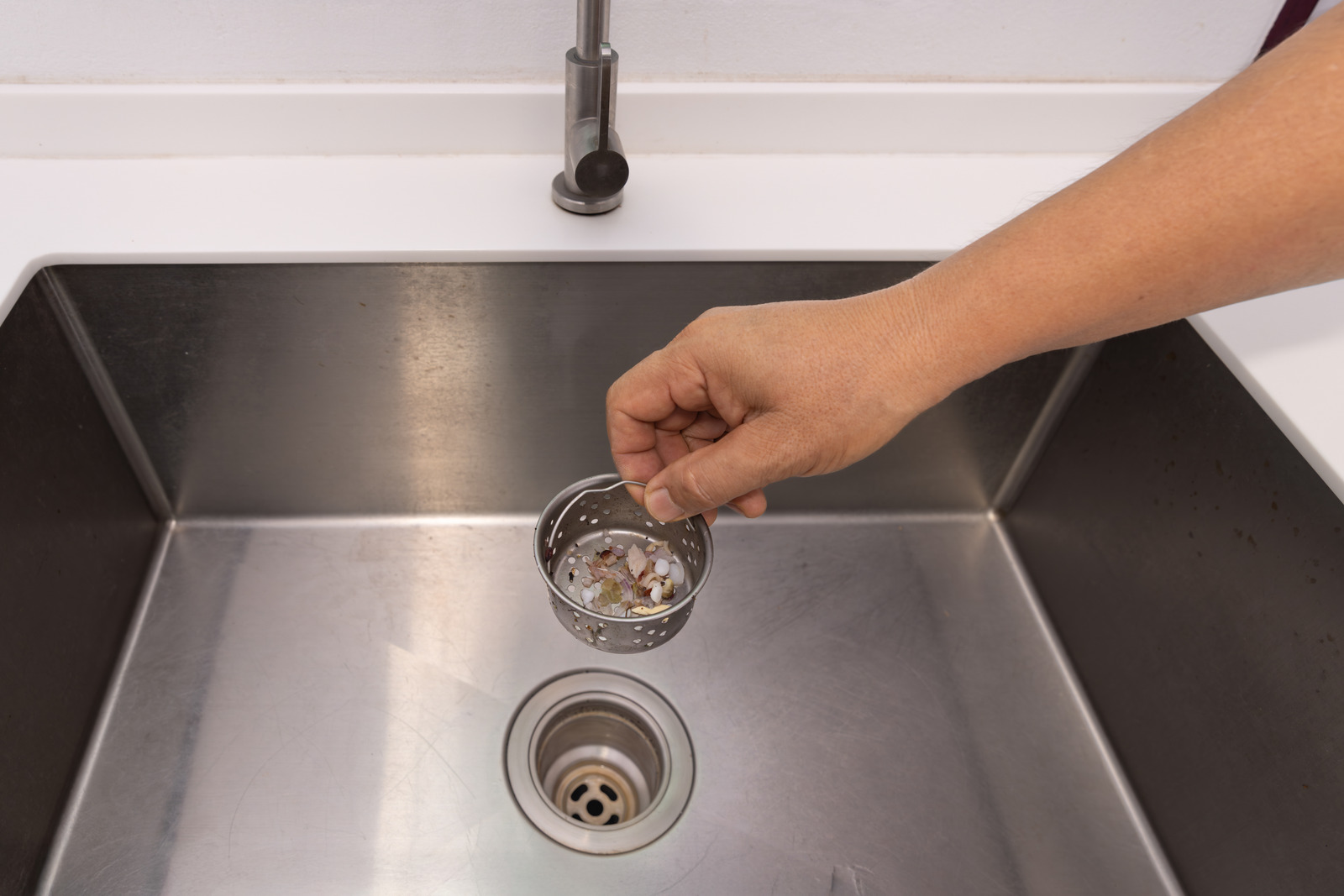
Fixed the kitchen sink last month. Drained fine for a bit. Now it’s slow again. Standing water forming. That smell starting up from the drain. Same thing all over again like nothing was ever done about it.
If this keeps happening, the sink isn’t randomly getting clogged. Something specific is causing it repeatedly, and clearing the blockage without dealing with that cause means being back here again in three weeks doing the exact same thing.
This post is about why it keeps happening and how to actually stop it, not just clear it temporarily again.
It Keeps Coming Back for a Reason
Kitchen sink that clogs once, probably just a one-off thing. Kitchen sink that clogs every few weeks, that’s telling something specific.
Sink unclogging that needs doing over and over almost always means one of two things. Either the same material keeps building up because the habits creating it haven’t changed. Or there’s a partial blockage further down the line that keeps catching new debris coming through. Sometimes it’s both happening at the same time.
Just clearing the surface clog doesn’t fix either situation. Buy a few weeks maybe. Then right back to the same problem.
What’s Actually In There
Almost always grease. Specifically cooking grease, oil, fat.
Washing greasy pans and dishes, that grease goes down the drain warm and liquid. Hits the cooler pipe further down, solidifies, sticks to the pipe wall. Then food particles wash down after sticking to the grease. More grease comes down. More food sticks. Layer by layer the pipe narrows until water barely moves.
This is a completely different situation from a bathroom sink clogged with hair. Different material entirely. Different consistency. Respond to different solutions. Kitchen sink clogged situations are almost always a grease problem, not a debris problem, and that distinction matters when figuring out what to actually do about it.
The other thing about grease buildup is that it compounds. Once there’s a layer in the pipe, the next clog happens faster because debris catches on that layer more easily. Third clog faster than the second. Until it feels like the sink blocks up constantly and clearing it is just part of weekly kitchen maintenance, which it absolutely shouldn’t be.
Bathroom Sink vs Kitchen Sink, Different Problems
Worth a quick mention because people sometimes try the wrong approach on the wrong drain.
Bathroom sink clogged situations, hair and soap scum almost always. A drain cover that catches hair prevents most of those entirely. Simple.
Kitchen sink clogged situations, grease. A food strainer helps catch solid bits but doesn’t stop the cooking fat that goes down anyway during normal dish washing. The long-term fix for a kitchen drain isn’t catching debris, it’s changing what goes in and maintaining the drain regularly.
The Habits That Cause It
Pouring cooking oil or fat down the drain. Even small amounts. Bacon grease wiped off a pan with water. Butter residue from a dish. Olive oil rinsed off something. All of it goes down and contributes to that grease layer building up further in the pipe.
Washing greasy pans with lukewarm or cold water. Grease needs hot water to stay liquid long enough to flush through the pipe. Cold water solidifies it close to the drain where it starts catching everything immediately.
Turning the tap off right after washing a greasy dish. The grease that made it down in liquid form needs water running behind it to push it through the pipe. Stop the water too soon and it just sits in the pipe and solidifies there.
Coffee grounds. They don’t dissolve. At all. They just sit in the pipe and catch everything else that comes through. Surprisingly a common contributor to a kitchen sink clogged situation is that people don’t connect to the drain until someone mentions it.
How to Actually Fix It
Stop the grease from going in first. Everything else is secondary to this one thing.
Wipe greasy pans with a paper towel before washing them. Pour cooking fat into a container and throw it in the bin. Run hot water for thirty seconds before washing greasy dishes so the pipe is warm, and for thirty seconds after so anything left moves through rather than solidifying right there.
Monthly maintenance, not reactive clearing. Half a cup of baking soda down the drain. Half a cup of white vinegar right after. Cover the drain opening immediately, stopper or cloth, to push the reaction down into the pipe rather than up and out. Fifteen to twenty minutes. Hot water flush. This breaks down grease buildup before it becomes an actual blockage. Do this every month and most kitchen sink clogged situations stop developing entirely.
For a sink that’s already slow or fully blocked, do the baking soda and vinegar treatment, then boil water if metal pipes, very hot tap water for PVC. Plunger if it’s still not moving. Then check the P-trap, that curved pipe section under the sink, if none of that works. Clean it out over a bucket. Significant grease accumulates there and often explains why nothing from above is reaching the actual blockage.
Clog keeps coming back within days every single time? The problem is further down than the P-trap. That’s when sink unclogging needs professional equipment. Drain snake or hydrojetter that reaches further down and actually clears the pipe walls rather than just punching a hole through whatever’s immediately in the way.
When It’s Not Actually a Kitchen Sink Problem
Sometimes what looks like a kitchen sink issue is a main line issue wearing a kitchen sink disguise.
Water backing up in multiple drains at once. Gurgling from the toilet when the kitchen sink runs. Bathroom drain gurgling when water goes down elsewhere. These patterns point toward the main sewer line rather than just the kitchen drain.
Sink unclogging methods don’t fix a main line blockage. If every drain in the house is slow or backing up, that’s a plumber call rather than a baking soda and vinegar situation.
The kitchen sink is the only affected drain and everything else runs fine? Kitchen-specific grease problem. The steps above will handle it.
The Chemical Drain Cleaner Question
People ask about this a lot. Here’s the honest version.
Chemical drain cleaners dissolve organic material. For a minor surface clog close to the drain opening they sometimes work fine. For significant grease buildup further down the pipe, the chemical doesn’t reach the actual blockage in enough concentration to do much. Heavy repeated use also damages older pipes over time.
Baking soda and vinegar is gentler on pipes, safe for septic systems, and works well on grease buildup when used regularly before things get bad. The key difference is timing. Chemical cleaners are a reactive emergency measure. Monthly baking soda maintenance is preventive. Preventive is better for a sink that keeps clogging.
The One Thing That Changes Everything
Genuinely, stopping grease from going down the drain is the thing that fixes a repeatedly clogged kitchen sink more than anything else. Not the brand of drain cleaner. Not how often the plunger gets used. Just changing what goes in.
Kitchen sink clogged situations that happen monthly almost always trace back to the same cause. Fat and oil down the drain regularly. Fix that habit and regular monthly maintenance handles the rest without needing to clear a full blockage every few weeks.
Keeps clogging because grease keeps building up on the pipe walls. Clearing the clog without changing what causes it just means clearing it again soon. Stop the grease from going in. Do the baking soda and vinegar maintenance monthly. Get the pipe properly cleaned if it’s been neglected for a while. Do those three things and the kitchen sink clogged problem mostly goes away.
Frequently Asked Questions
Why does my kitchen sink keep clogging even right after clearing it?
Because clearing the surface clog doesn’t remove the grease layer built up on the pipe walls further down that keeps catching new debris coming through. The blockage reforms faster each time because there’s already a sticky grease layer for new material to stick to. Changing what goes down the drain is what actually breaks the cycle.
Is a kitchen sink clogged differently from a bathroom sink clogged?
Yes, completely differently. Kitchen sink clogs are almost always cooking grease and food buildup. Bathroom sink clogged situations are almost always hair and soap scum. Different materials, different behaviour in the pipe, different effective solutions. Using hair-focused drain covers or hair-dissolving products on a grease clog doesn’t do much.
How often should sink unclogging maintenance actually be done to prevent clogs?
Monthly baking soda and vinegar flush prevents most kitchen clogs from developing. Running hot water for thirty seconds after washing greasy dishes helps between monthly flushes. For a sink that’s been repeatedly clogging for a while, getting it properly cleaned before switching to preventive maintenance gives noticeably better long-term results.
When does a repeatedly clogged kitchen sink actually need a plumber?
When the clog comes back within days of clearing it every single time, when multiple drains are slow at once, or when gurgling sounds come from other fixtures when the kitchen sink runs. These patterns mean either significant buildup deeper than home methods reach, or a main line issue that sink unclogging on its own won’t fix regardless of how many times it gets tried.